Published by Paul Ivinskas
Sunday, October 25, 2026

Everything Utah, every day.

Help Utahns understand their communities and hold government accountable. Our mission →

Wildlife & plants guides

Streams, wetlands and desert seeps

Water creates distinct communities inside otherwise dry landscapes.

Water creates distinct communities inside otherwise dry landscapes. Zion's plant overview separates riverbank vegetation, saturated wetlands and hanging gardens fed by sandstone seeps. Cottonwoods belong to the river story; ferns, mosses and wildflowers can occupy shaded seep habitats. These are related through water, but they are not interchangeable environments.

The profiles here connect through the processes they describe. Fremont cottonwood and alcove columbine show two different kinds of water-dependent plant life, while beaver and native cutthroat trout show how animals shape and use a stream. Beaver activity, stream restoration and fish recovery all depend on the particular water, so one dam does not help every fish and one treatment does not suit every stream. The western toad and northern leopard frog add another reason to be careful in wet places: stay on established routes and leave plants, eggs and animals where they are.

See every profile in this habitat

Profiles to read with this guide

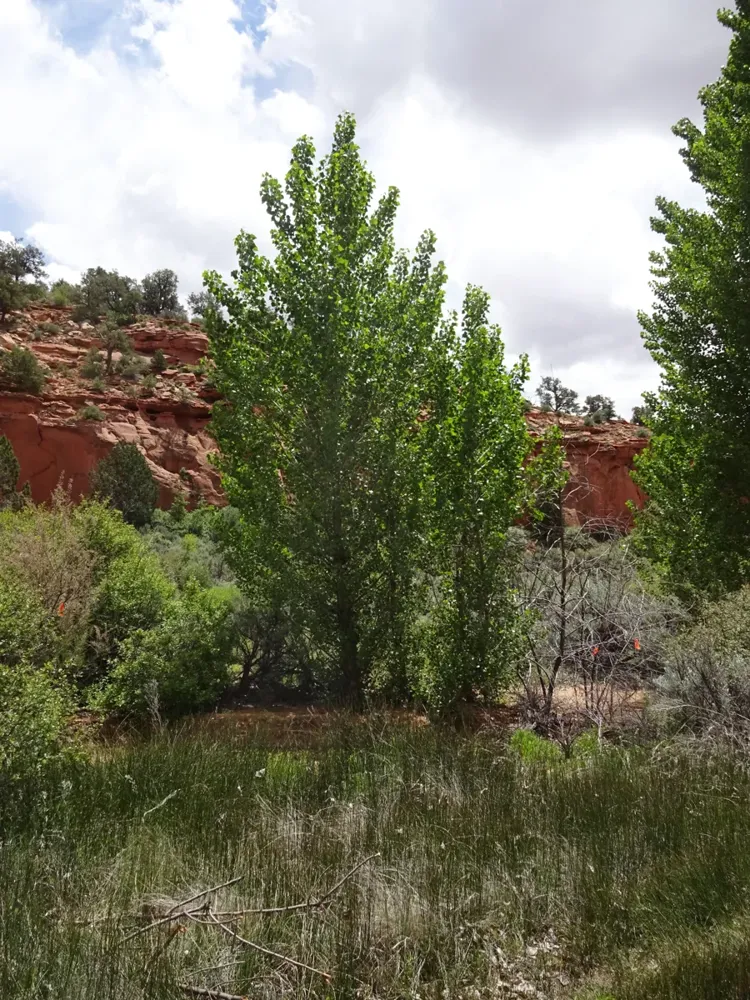
A green Fremont cottonwood tree beside red sandstone
File photo: A green Fremont cottonwood tree beside red sandstone — Johnson Lakes Canyon, Kane County, May 2016. Photo: Andrey Zharkikh from Salt Lake City, USA · CC BY 2.0 · Wikimedia Commons
Trees

Fremont cottonwood

A broad-crowned river tree whose new generations depend on the right combination of flowing water, exposed sediment, and moisture.
Populus fremontii

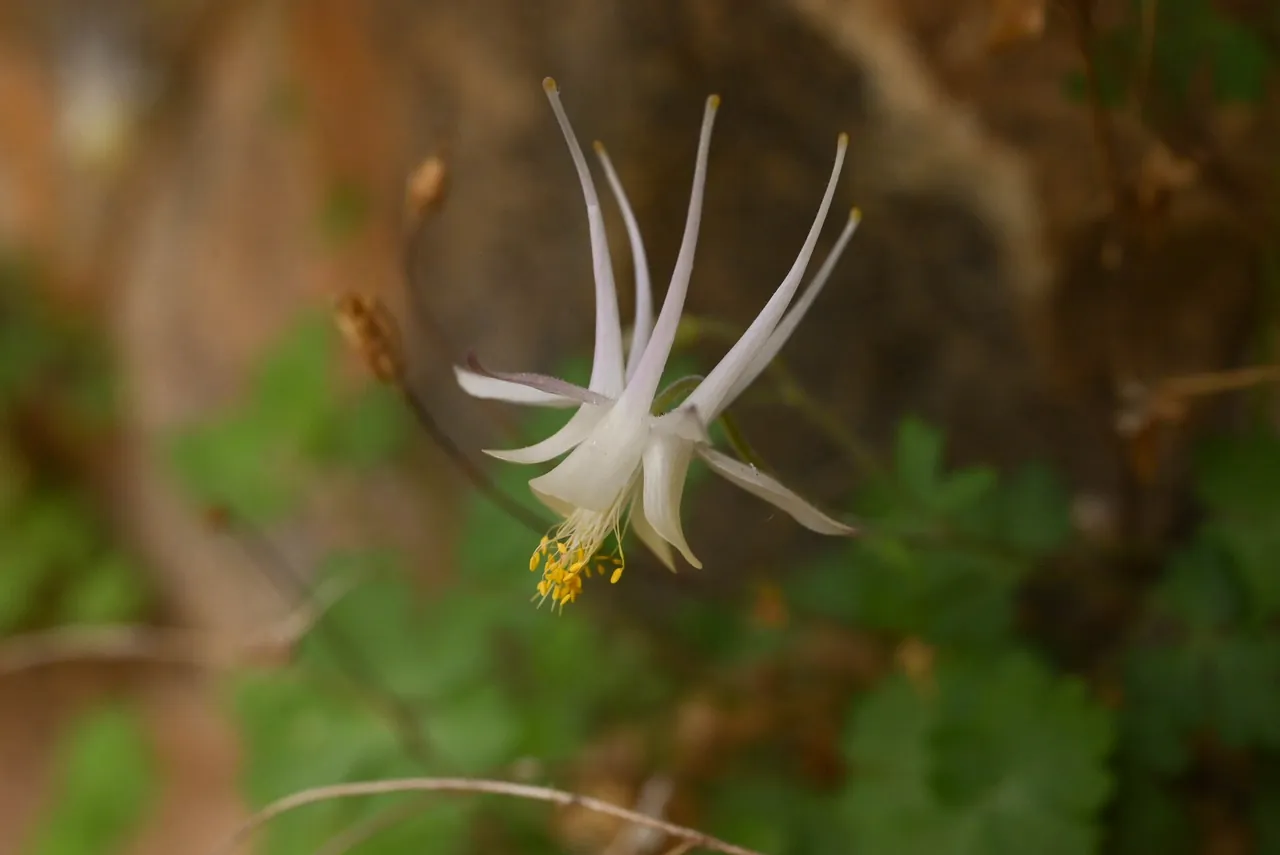
Alcove columbine flower with long pale spurs, seen from the side
File photo: alcove columbine flower with long pale spurs, seen from the side. Photo: Anders Hastings · CC BY 4.0 · Wikimedia Commons
Wildflowers

Alcove columbine

A small-flowered columbine of seeps and hanging gardens, where groundwater creates a cool refuge within the desert.

Aquilegia micrantha

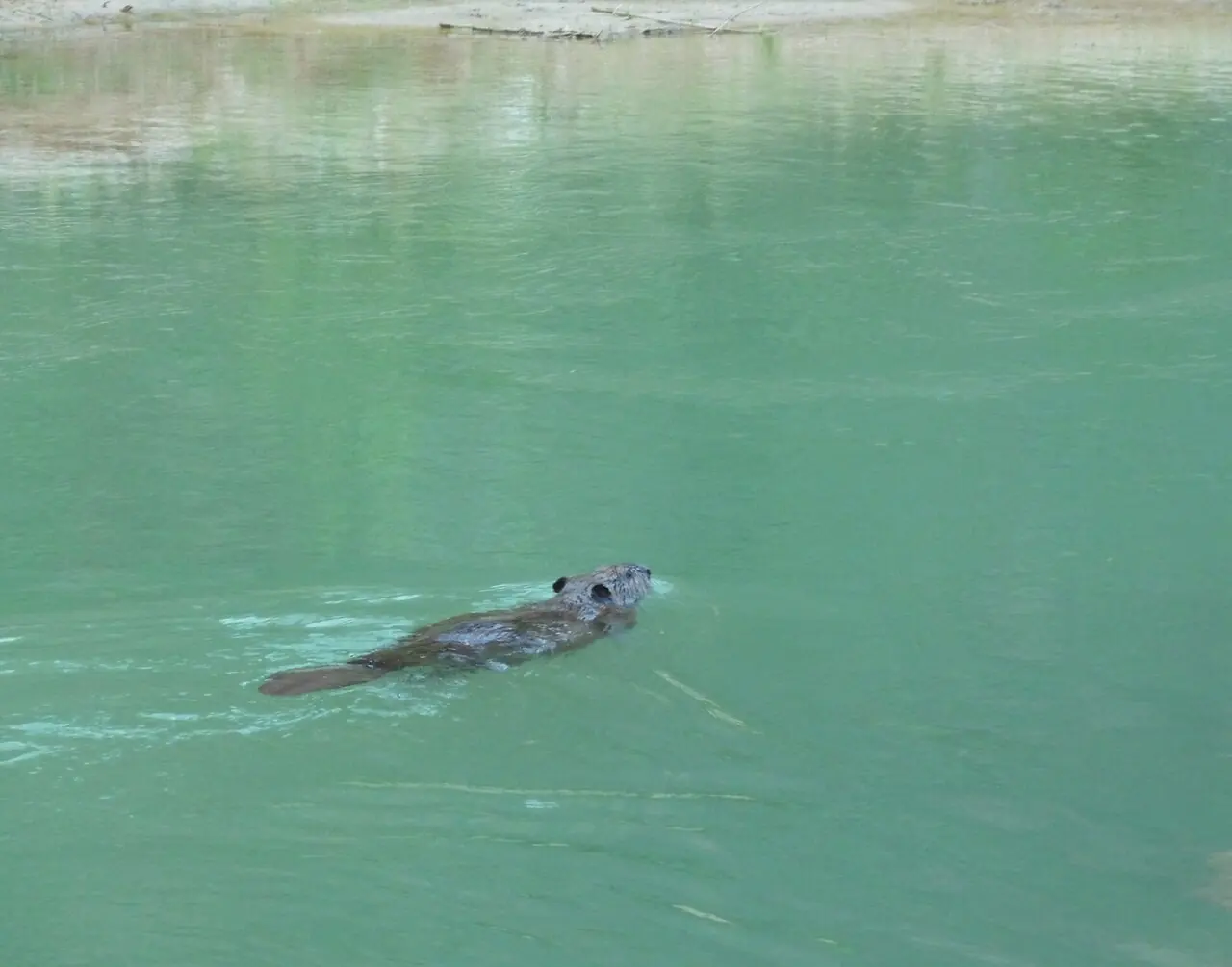
An American beaver swimming in green water
File photo: American beaver in Zion National Park, July 2012. Photo: Zion National Park / National Park Service · Public domain · Wikimedia Commons
Mammals

American beaver

A paddle-tailed rodent whose feeding and construction can transform a stream into a complex wetland.

Castor canadensis

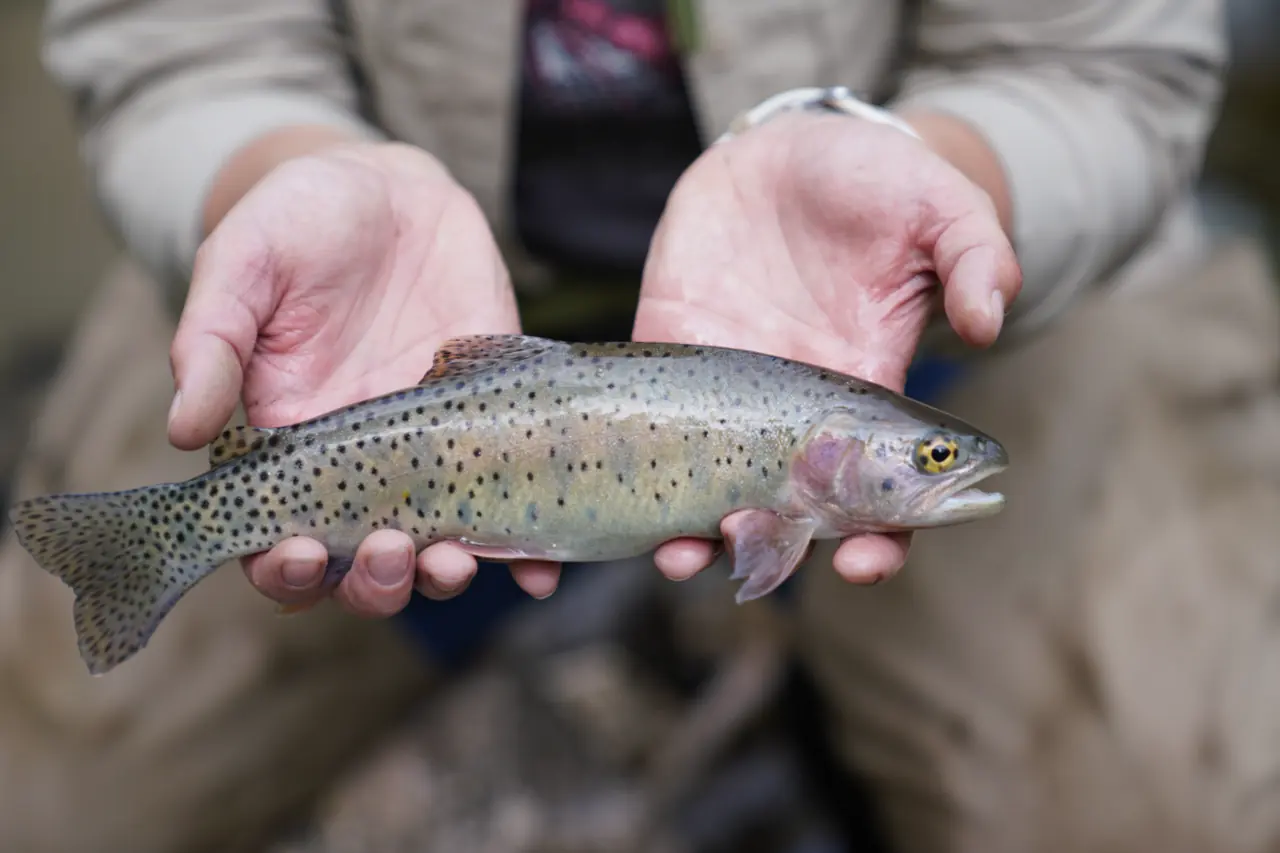
A Bonneville cutthroat trout supported in a person’s hands
File photo: Bonneville cutthroat trout, U.S. Fish and Wildlife Service archive. Photo: Clint Wirick / USFWS · Public domain · Wikimedia Commons
Fish

Cutthroat trout

Utah's native trout, with distinct drainage histories and restoration needs that a familiar throat mark cannot tell on its own.

Oncorhynchus clarkii

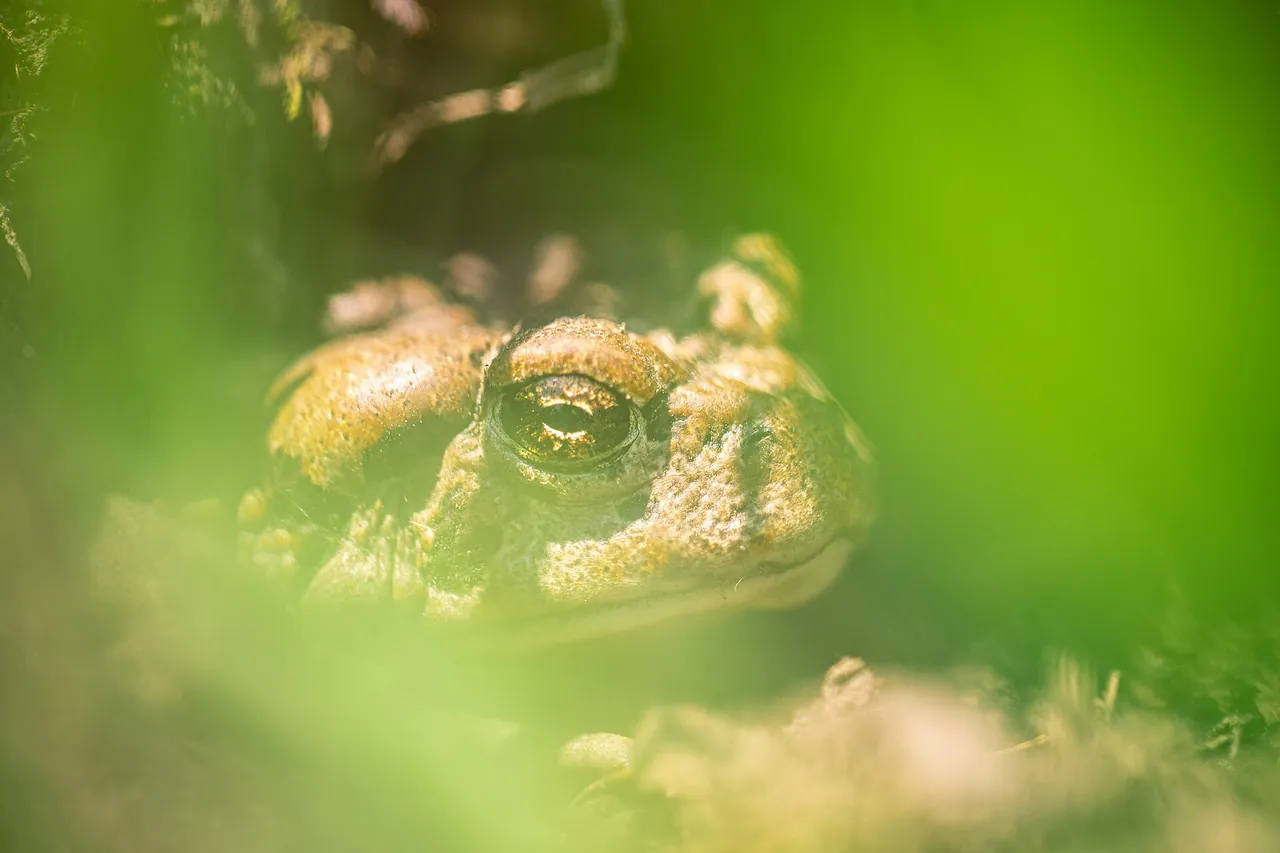
A western (boreal) toad looking out through blurred green vegetation
File photo: a western (boreal) toad looking out through blurred green vegetation. Photo: GlacierNPS · Public domain · Wikimedia Commons
Amphibians

Western (boreal) toad

A warty mountain amphibian whose breeding waters and disease risks require a light touch from visitors.

Anaxyrus boreas

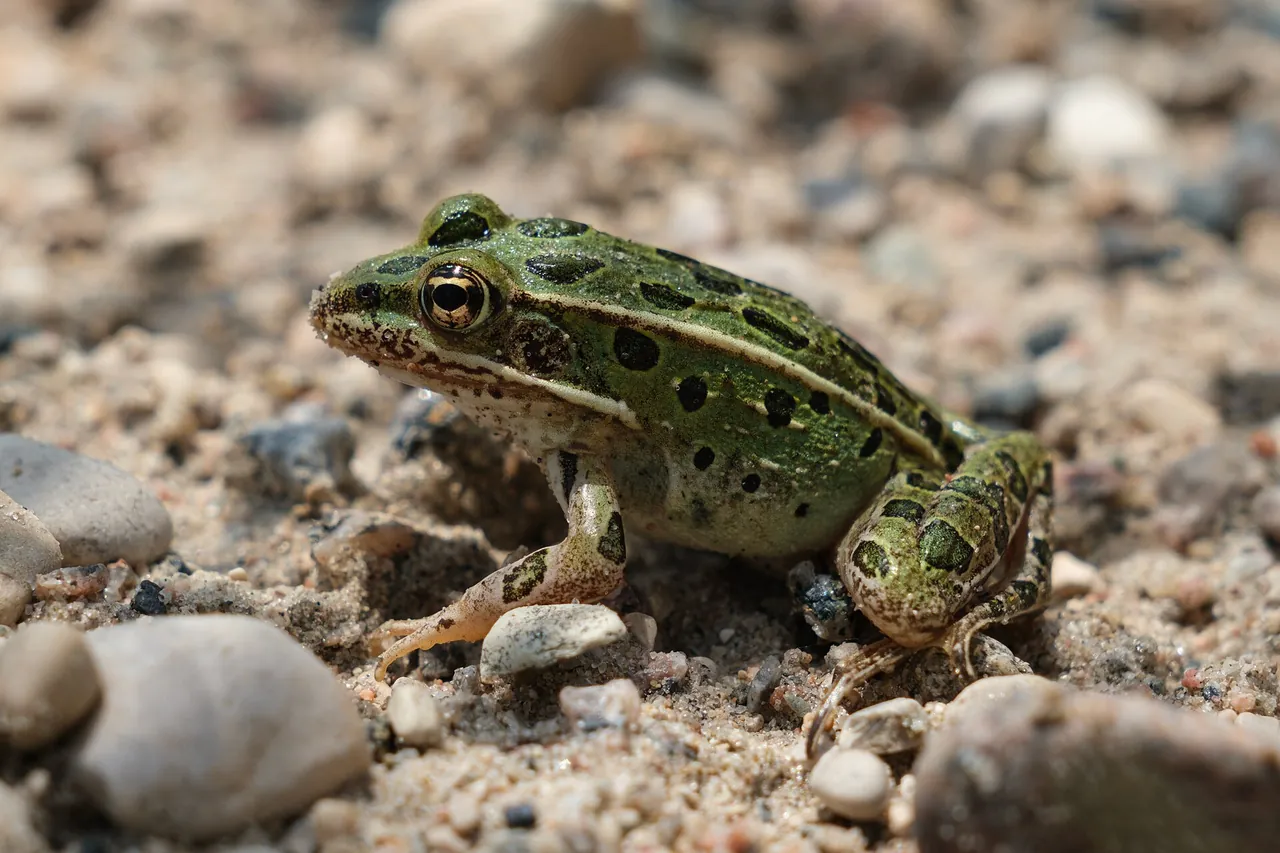
A northern leopard frog on gravelly ground
File photo: a northern leopard frog on gravelly ground. Photo: Jasper Shide · CC0 · Wikimedia Commons
Amphibians

Northern leopard frog

A spotted frog that needs a connected mix of breeding water, moist feeding ground and overwintering habitat.

Lithobates pipiens

More guides

Saved on this device. Statewide news and alerts remain available.