Published by Paul Ivinskas
Sunday, October 25, 2026

Everything Utah, every day.

Help Utahns understand their communities and hold government accountable. Our mission →

Wildlife & plants · Fish

Cutthroat trout

Utah's native trout, with distinct drainage histories and restoration needs that a familiar throat mark cannot tell on its own.

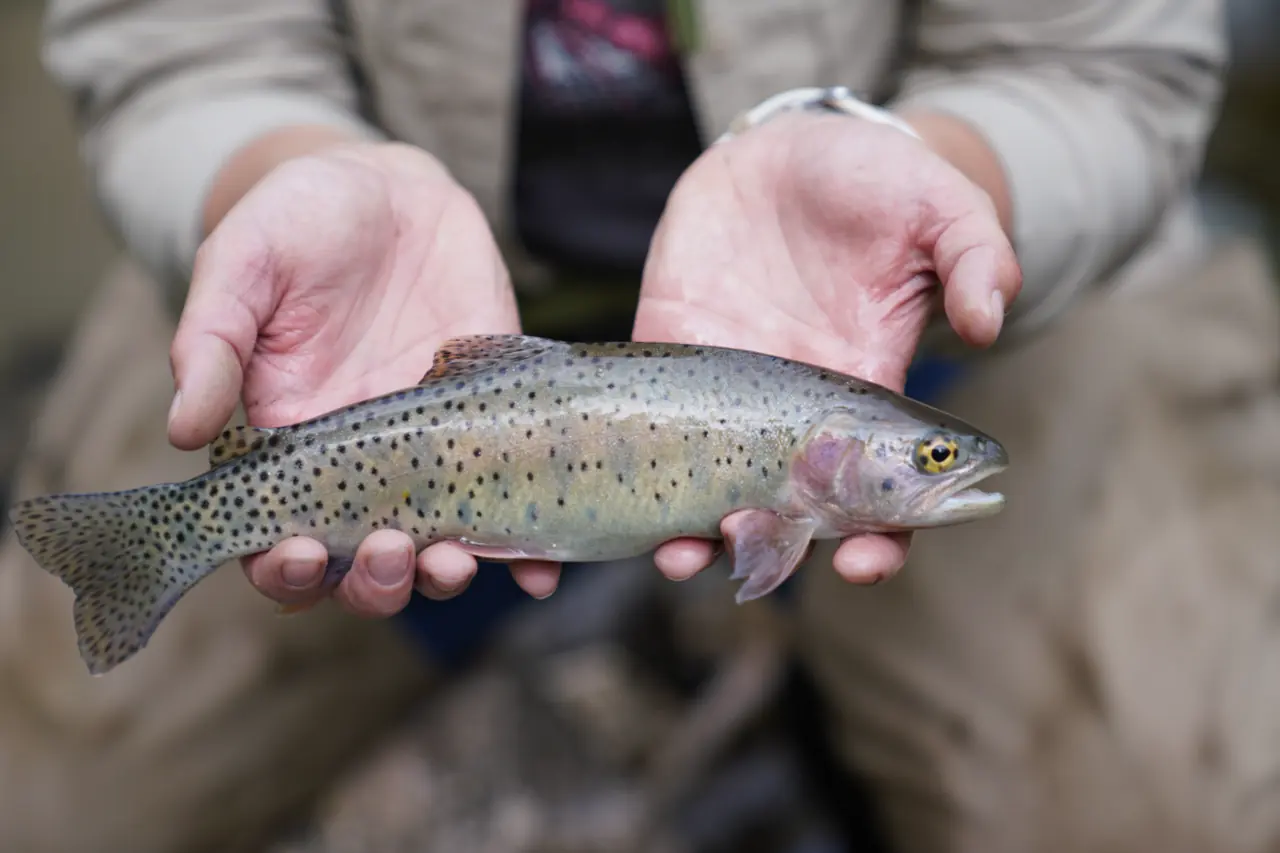
A Bonneville cutthroat trout supported in a person’s hands
File photo: Bonneville cutthroat trout, U.S. Fish and Wildlife Service archive · Cropped to fit. Photo: Clint Wirick / USFWS · Public domain · Wikimedia Commons

Cutthroat trout take their common name from the colored mark beneath the lower jaw, but that mark can be faint or absent. Spotting, body color and fin features also help with identification. In particular, Bear Lake fish can look less like the familiar brightly marked stream trout. A quick glance should not be used to certify a fish's ancestry or genetic purity. The four familiar Utah management names are Bear River, Bonneville, Colorado River and Yellowstone cutthroat, each with its own geographic history.

The contrast between native and introduced trout is important here. Cutthroat are Utah's native trout; brook, brown and rainbow trout were introduced. Those species can compete with cutthroat for food and habitat, and some prey on young fish. Rainbow trout can also interbreed with cutthroat. Habitat alteration compounds these pressures, so conserving a cutthroat population involves more than putting fish into a stream. The waterway and the other fish living in it both matter.

Restoration aims to preserve multiple populations and, where feasible, connections that allow fish to recolonize after a local disturbance. In other settings, barriers are used to keep nonnative fish out of a restored reach. That trade-off explains why superficially similar streams may receive different management. Read a restoration announcement as a project with a date, not a permanent promise of access or fishing opportunity. Current regulations and on-site closures must be checked separately before an outing.

How to recognize it

Throat mark may be faint; use several features and a full field guide. Appearance alone cannot establish genetic purity.

Conservation

Native-trout restoration has to deal with habitat, competition, predation and hybridization.

Watching and staying safe

Observe from stable banks, avoid disturbing shallow spawning habitat, never move fish between waters and check DWR's current rules before fishing.
Related profiles

A June sucker, the fish found naturally only in Utah Lake
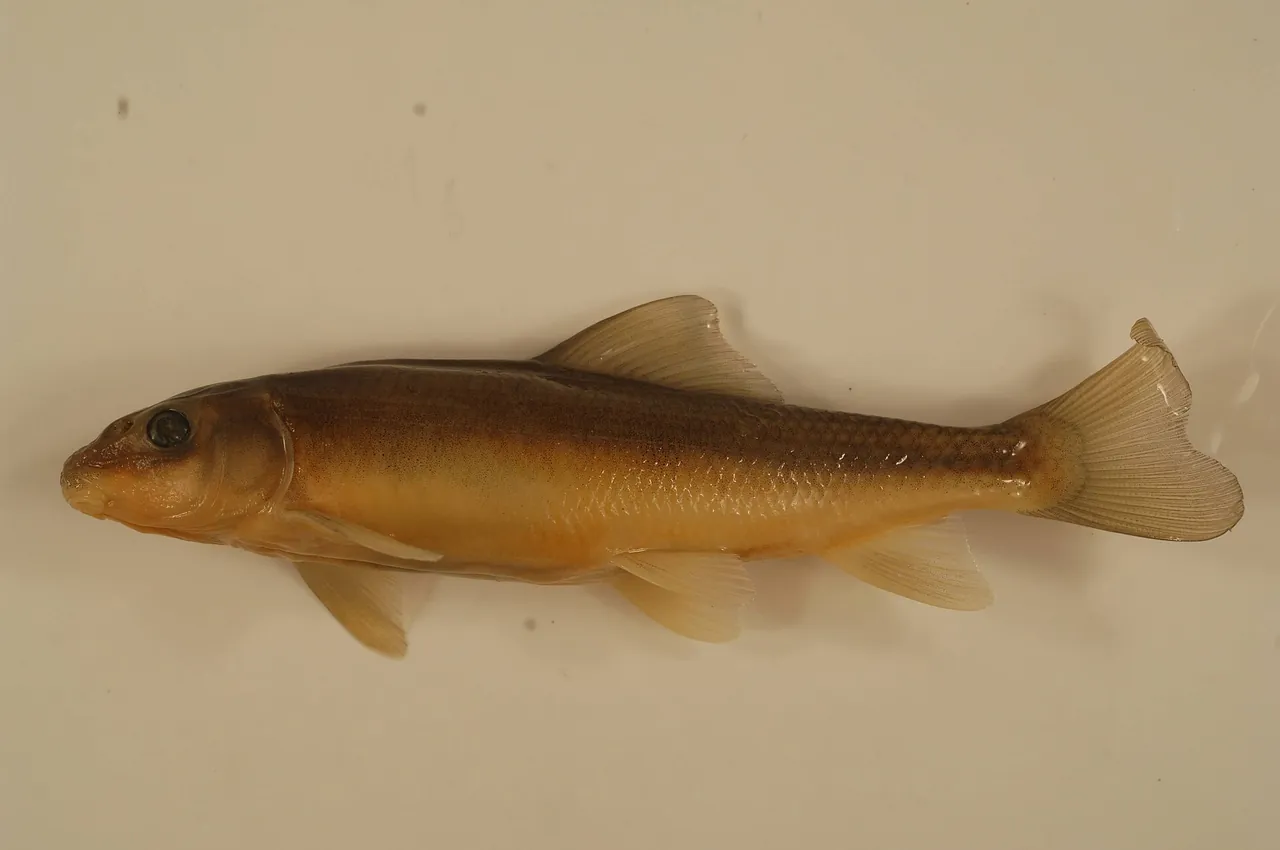
File photo: a June sucker, the fish found naturally only in Utah Lake. Photo: USFWS Fish and Aquatic Conservation · Public domain · Wikimedia Commons
Fish

June sucker

A Utah Lake native whose recovery depends on both adult spawning access and safe nursery habitat for young fish.

Chasmistes liorus

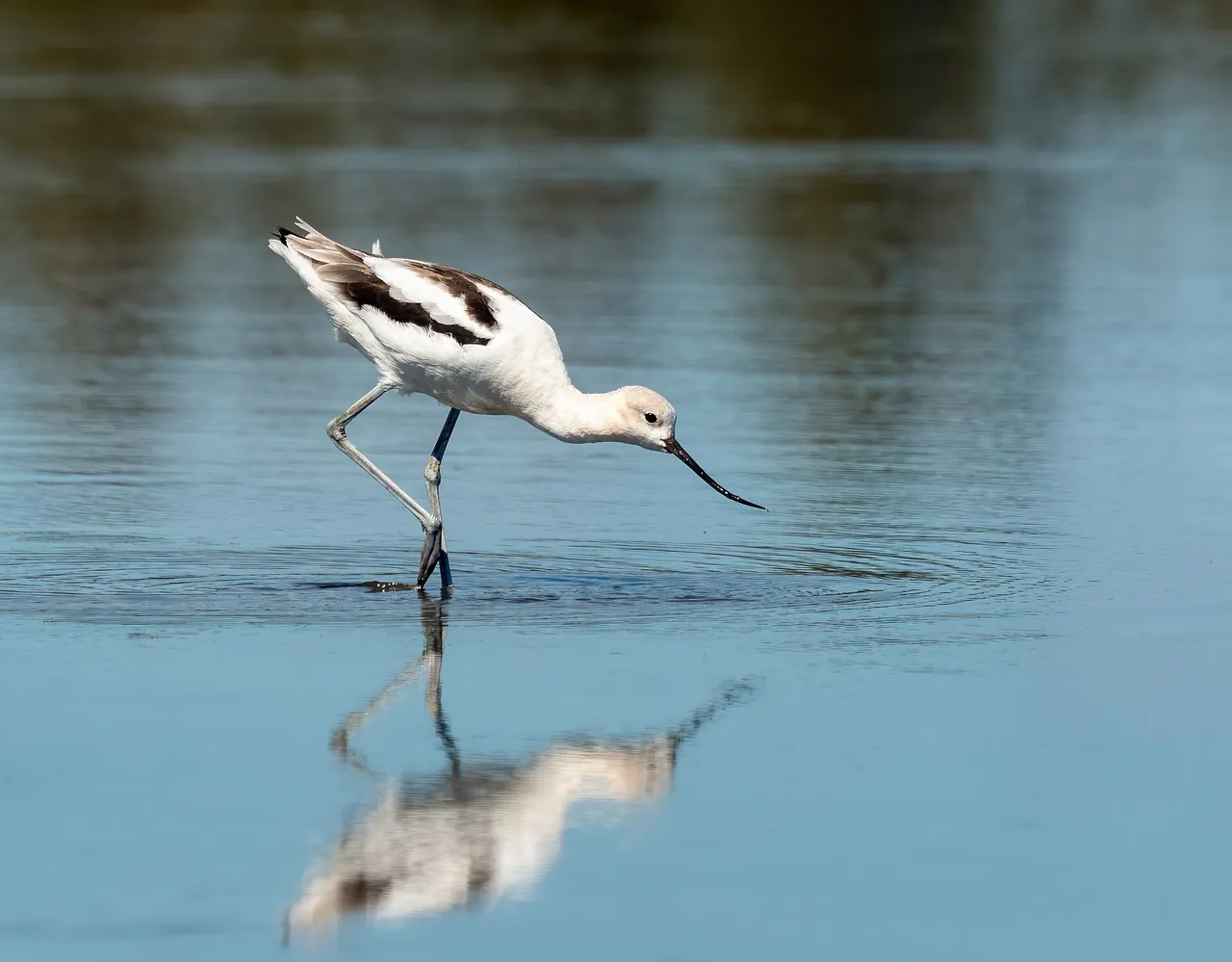
American avocet wading in shallow water with its upturned bill
File photo: american avocet wading in shallow water with its upturned bill. Photo: Rhododendrites · CC BY-SA 4.0 · Wikimedia Commons
Birds

American avocet

An upturned bill, blue-gray legs and a sweeping feeding motion make this wetland shorebird especially distinctive.

Recurvirostra americana

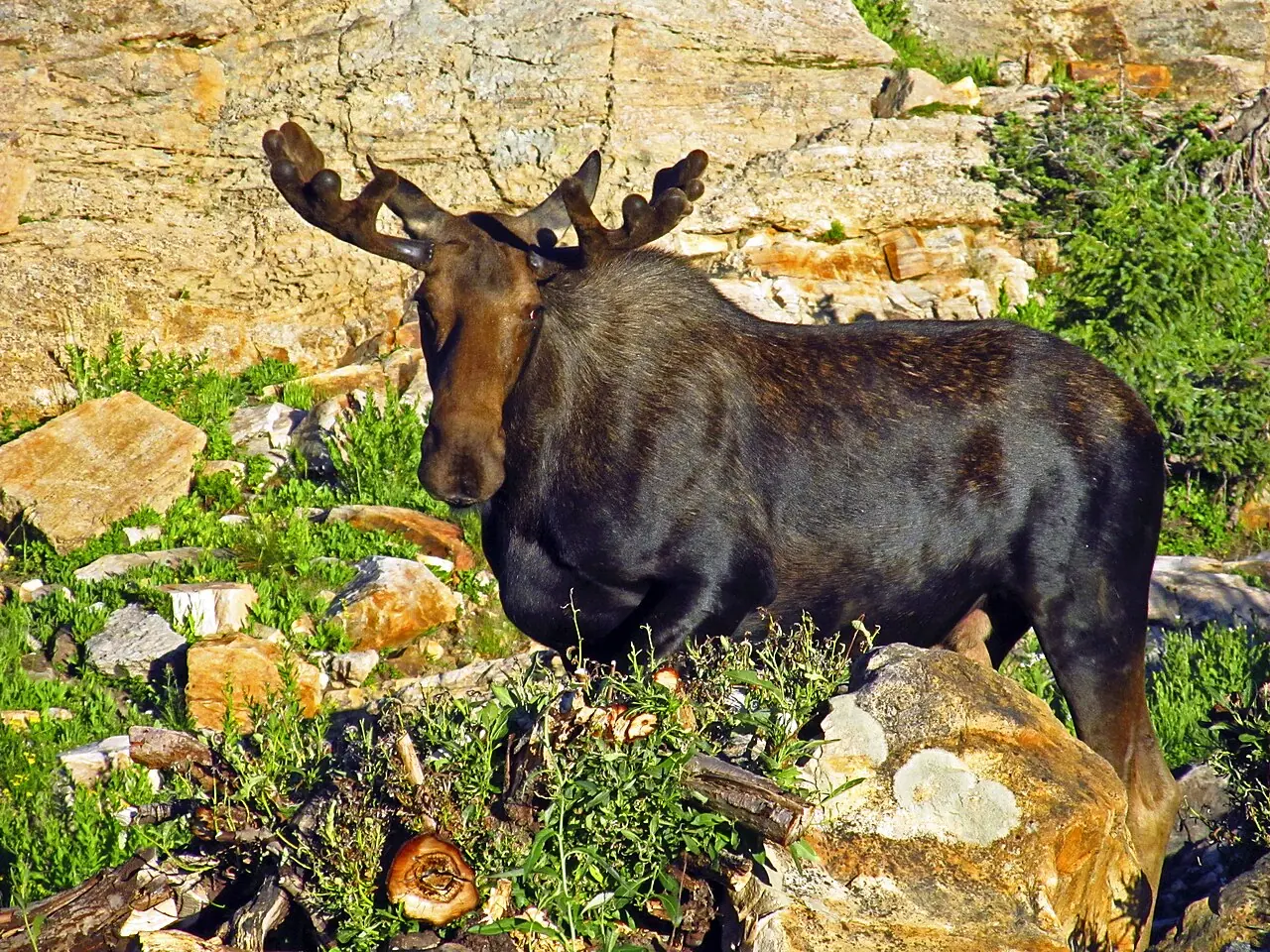
A bull moose among rocks and low vegetation at Cecret Lake
File photo: A bull moose among rocks and low vegetation at Cecret Lake (2012-07-25). Photo: BBernardicius · CC BY-SA 3.0 · Wikimedia Commons
Mammals

Moose

The largest member of the deer family in Utah, at home where northern mountain forest meets water.

Alces alces

Saved on this device. Statewide news and alerts remain available.