Published by Paul Ivinskas
Sunday, October 25, 2026

Everything Utah, every day.

Help Utahns understand their communities and hold government accountable. Our mission →

Wildlife & plants · Mammals

American beaver

A paddle-tailed rodent whose feeding and construction can transform a stream into a complex wetland.

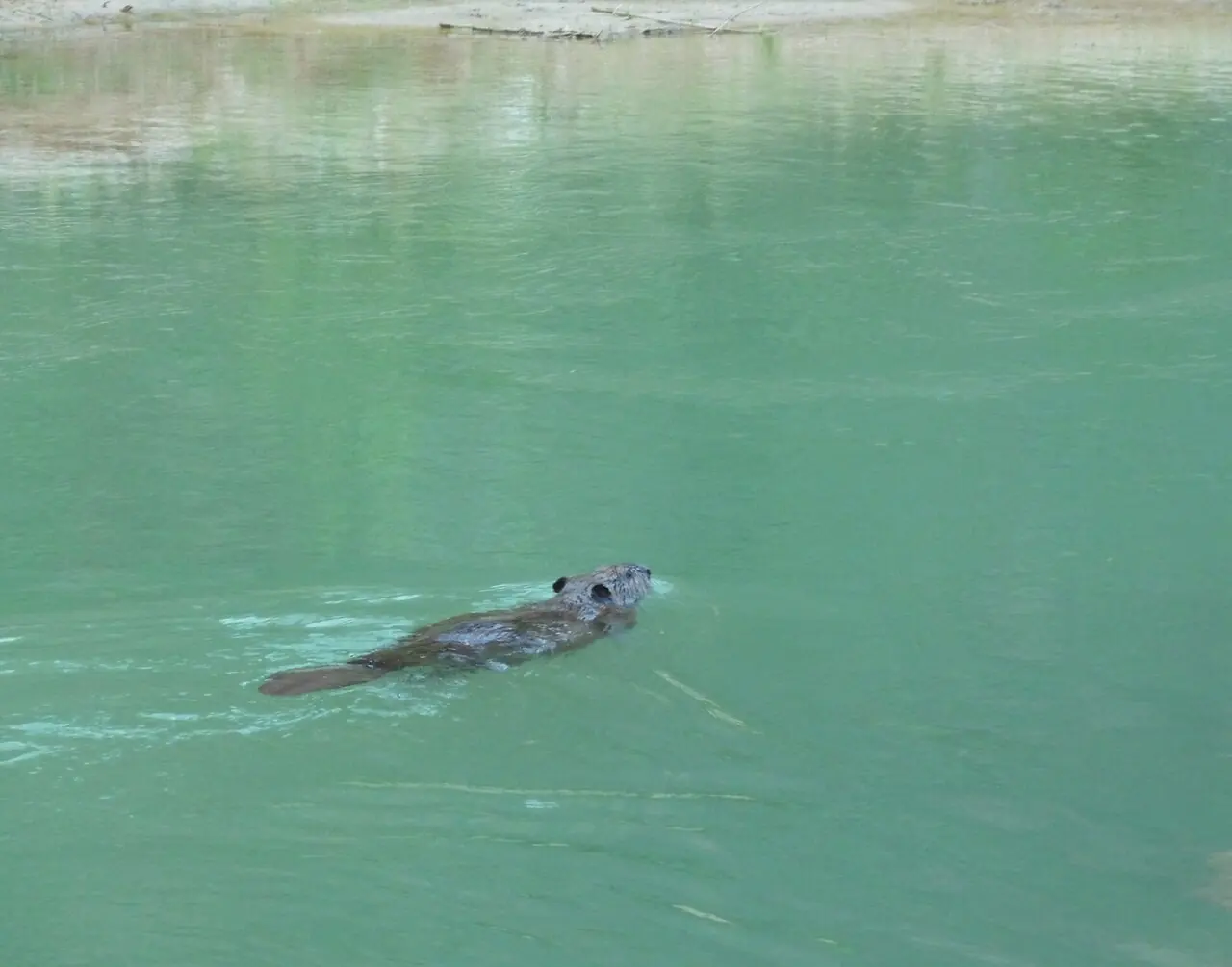
An American beaver swimming in green water
File photo: American beaver in Zion National Park, July 2012 · Cropped to fit. Photo: Zion National Park / National Park Service · Public domain · Wikimedia Commons

The broad, flattened tail is the clearest clue that a swimming rodent is a beaver. Oily fur and webbed hind feet help it work in water, while its large front teeth keep growing throughout life. You may find the evidence before the animal: gnawed trunks, cut branches and structures of wood and mud along a waterway. Beavers eat plants, including bark and other woody material in winter and greener aquatic or streamside growth in summer. In Utah, aspen, cottonwood and willow are important foods.

A dam slows and spreads flowing water, creating ponds and wet ground that other animals can use. The effects can include trapping sediment and increasing the variety of stream habitats. A lodge is the shelter where a family rests and raises young; it is not simply another name for the dam. Dam building also depends on the waterway. Beaver presence does not mean every occupied reach will contain the same conspicuous pond-and-lodge arrangement.

Beavers remain active through winter, though activity can be reduced and difficult to see. Quiet evening observation is more promising than waiting for daytime performances. Their engineering can also flood a road or block a culvert, so coexistence sometimes needs professional help. Tree protection and carefully designed water-control measures can address some conflicts without destroying the wetland. Visitors should leave dams, lodges and nearby food stores intact.

How to recognize it

Large swimming rodent with broad paddle-shaped tail; gnawed trees and wood-and-mud structures are useful indirect signs.

Conservation

Beaver-built habitat can benefit other wildlife, while placement near infrastructure can create conflicts.

Watching and staying safe

Watch quietly from stable public banks, keep pets away and never dismantle a dam or lodge. Ask DWR about persistent property conflicts.

Related profiles

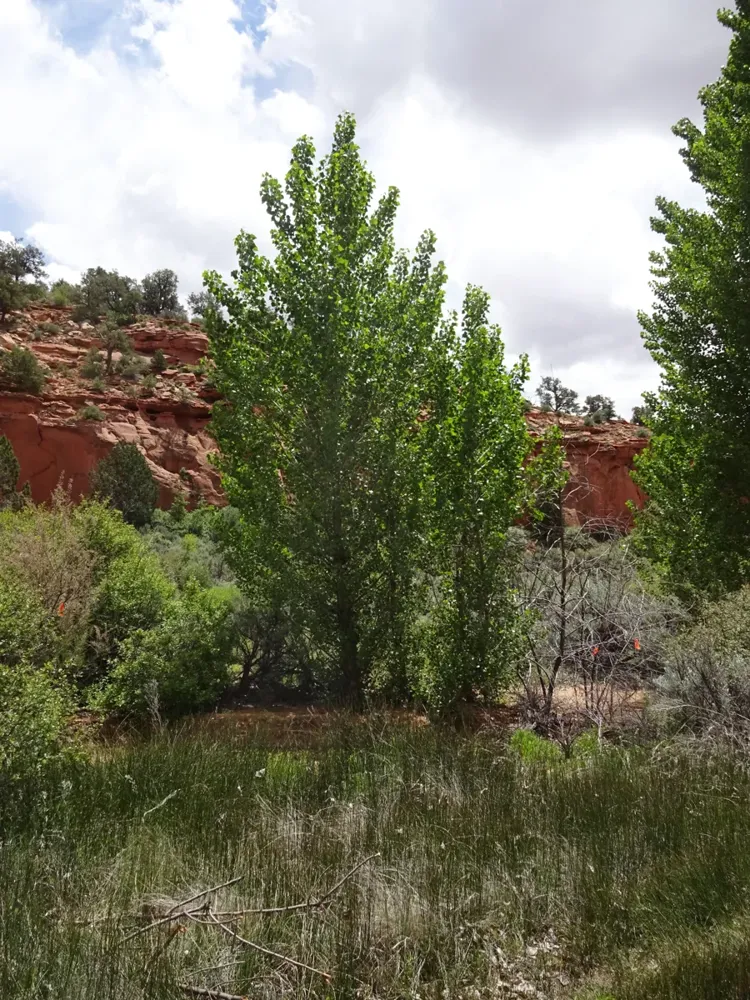
A green Fremont cottonwood tree beside red sandstone
File photo: A green Fremont cottonwood tree beside red sandstone — Johnson Lakes Canyon, Kane County, May 2016. Photo: Andrey Zharkikh from Salt Lake City, USA · CC BY 2.0 · Wikimedia Commons
Trees

Fremont cottonwood

A broad-crowned river tree whose new generations depend on the right combination of flowing water, exposed sediment, and moisture.
Populus fremontii

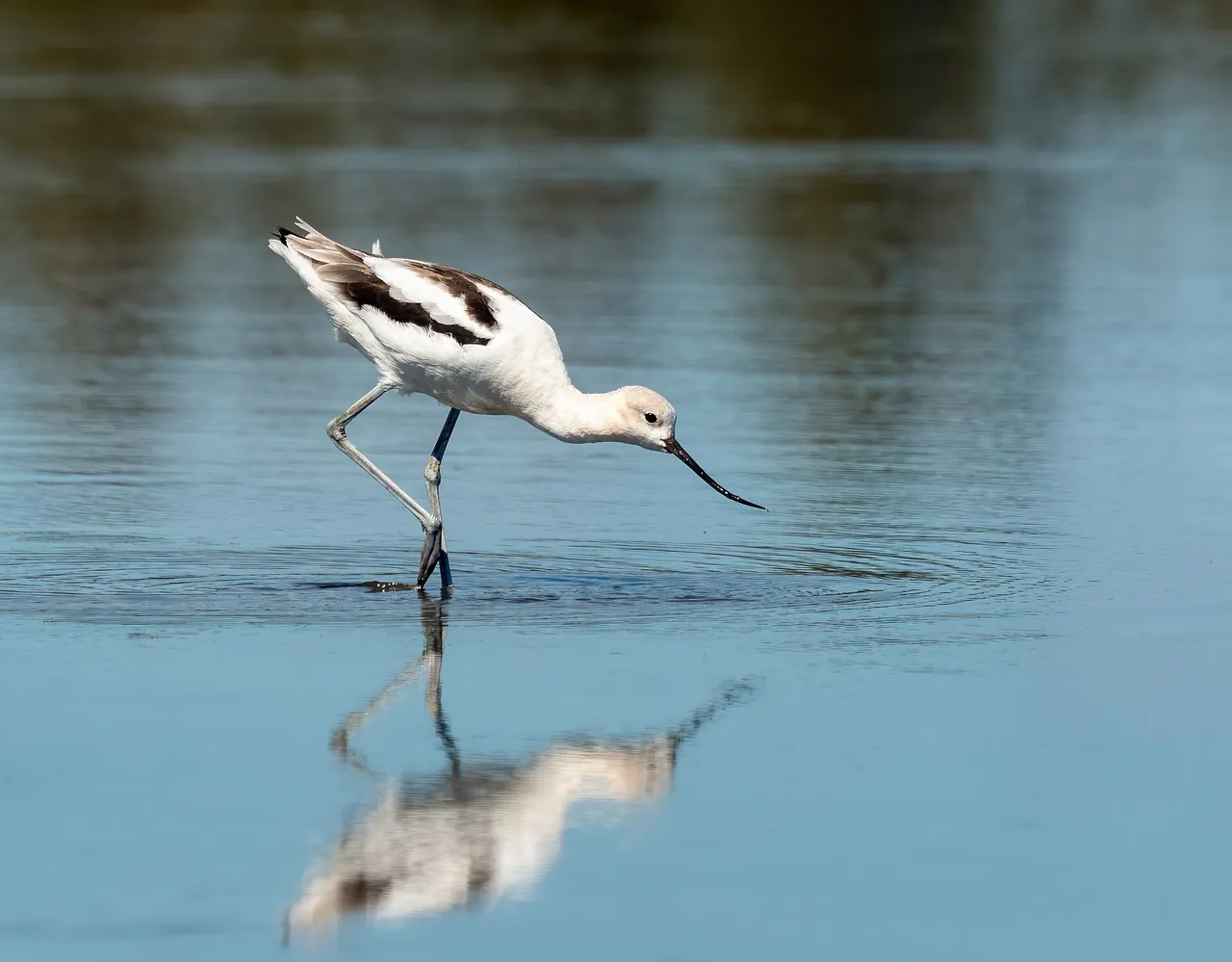
American avocet wading in shallow water with its upturned bill
File photo: american avocet wading in shallow water with its upturned bill. Photo: Rhododendrites · CC BY-SA 4.0 · Wikimedia Commons
Birds

American avocet

An upturned bill, blue-gray legs and a sweeping feeding motion make this wetland shorebird especially distinctive.

Recurvirostra americana

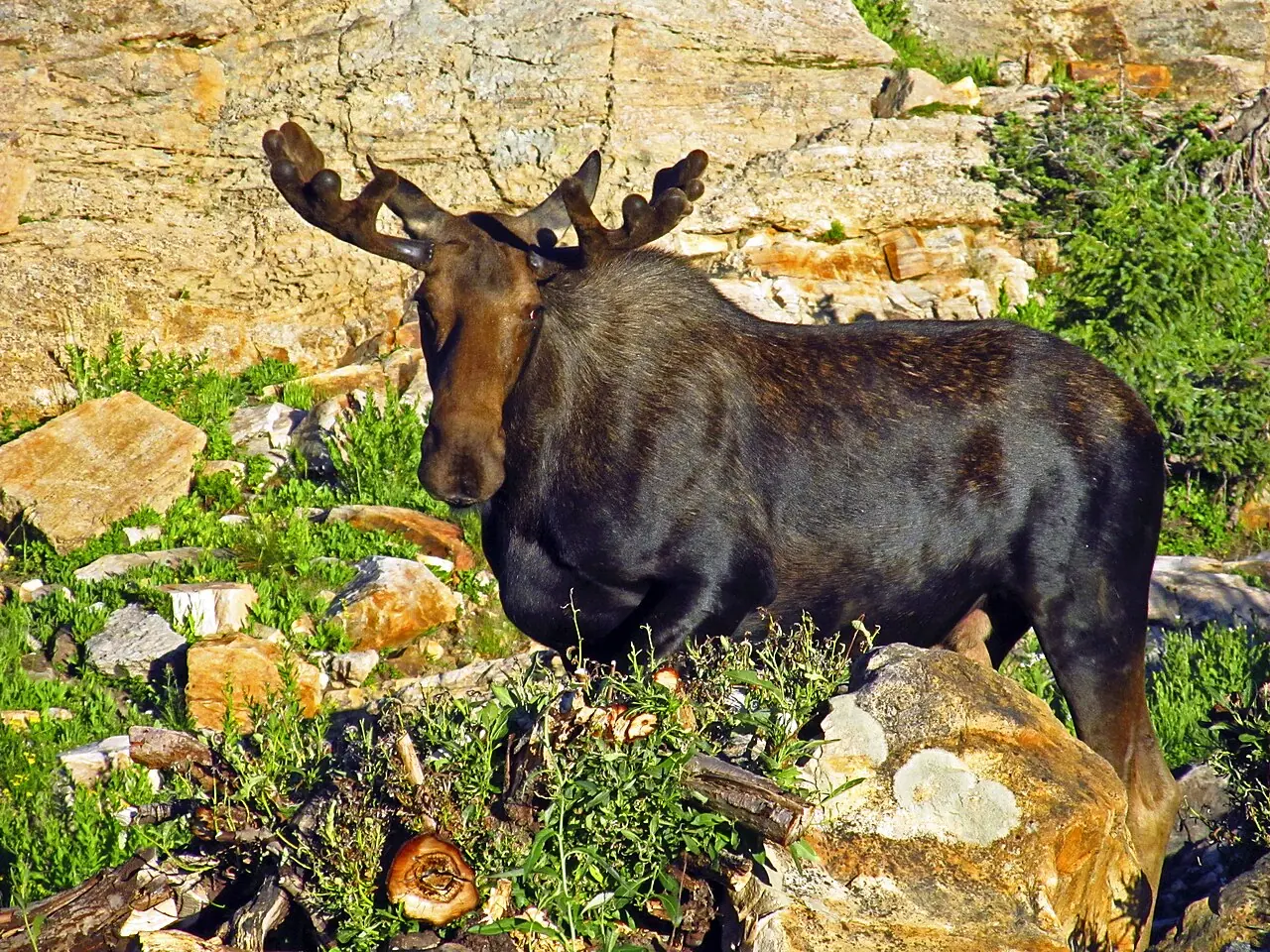
A bull moose among rocks and low vegetation at Cecret Lake
File photo: A bull moose among rocks and low vegetation at Cecret Lake (2012-07-25). Photo: BBernardicius · CC BY-SA 3.0 · Wikimedia Commons
Mammals

Moose

The largest member of the deer family in Utah, at home where northern mountain forest meets water.

Alces alces

Saved on this device. Statewide news and alerts remain available.