Published by Paul Ivinskas
Sunday, October 25, 2026

Everything Utah, every day.

Help Utahns understand their communities and hold government accountable. Our mission →

Wildlife & plants · Shrubs

Rubber rabbitbrush

A flexible-stemmed native shrub whose late-season yellow flowers extend feeding opportunities for pollinators.

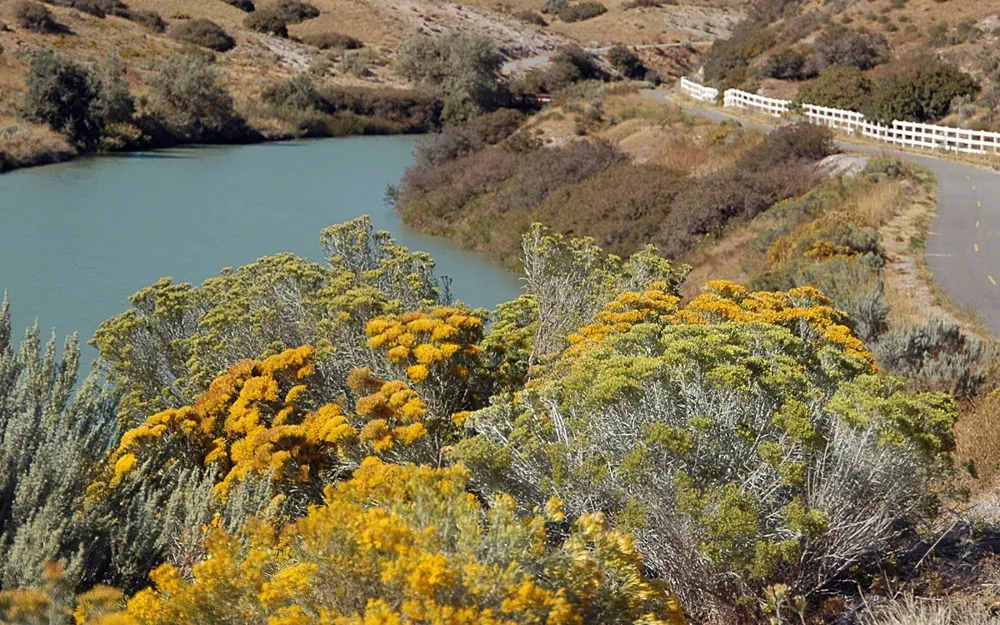
Yellow-flowering rubber rabbitbrush above the Jordan River
File photo: Yellow-flowering rubber rabbitbrush above the Jordan River — Jordan River Parkway near Salt Lake City, September 2004 · Cropped to fit. Photo: Cory Maylett · CC BY-SA 4.0 · Wikimedia Commons

Rubber rabbitbrush often becomes conspicuous just as many other plants are fading. Rounded clusters of small yellow flower heads cover the ends of its upright branches. The narrow leaves and young stems can look gray or whitish because of their fine hairs; the stems are flexible rather than rigid and brittle. Several rabbitbrush species share a yellow-flowered appearance, so flower color alone is insufficient. The felted stems and narrow leaves add useful clues when they can be examined without pulling the plant apart.

This shrub grows in sunny, open settings across a wide range of Utah landscapes, including valleys, foothills, and dry uplands. It tolerates varied soils and is common on disturbed ground. That association does not make it a non-native weed: rubber rabbitbrush is part of the region's native vegetation. Its covering of fine hairs is one adaptation that reduces water loss. Flowering dates are unusually variable across its broad range, so a fixed statewide calendar would be misleading; late summer and autumn are useful general expectations, with local exceptions.

The flowers provide resources for bees and other pollinators after many spring-blooming plants have finished. Some flower and seed structures remain on the branches well beyond bloom, keeping the shrub recognizable into the colder season. Watch visiting insects from a public path and leave them room to feed. Roadside plants are especially visible, but stopping safely and avoiding traffic take priority over a close-up view.

How to recognize it

Narrow leaves, felted flexible stems, and terminal yellow flower clusters; other rabbitbrush species require closer comparison.

Seeing it

Watch insects without handling flowers; never step into traffic or onto private ground for access.

Related profiles

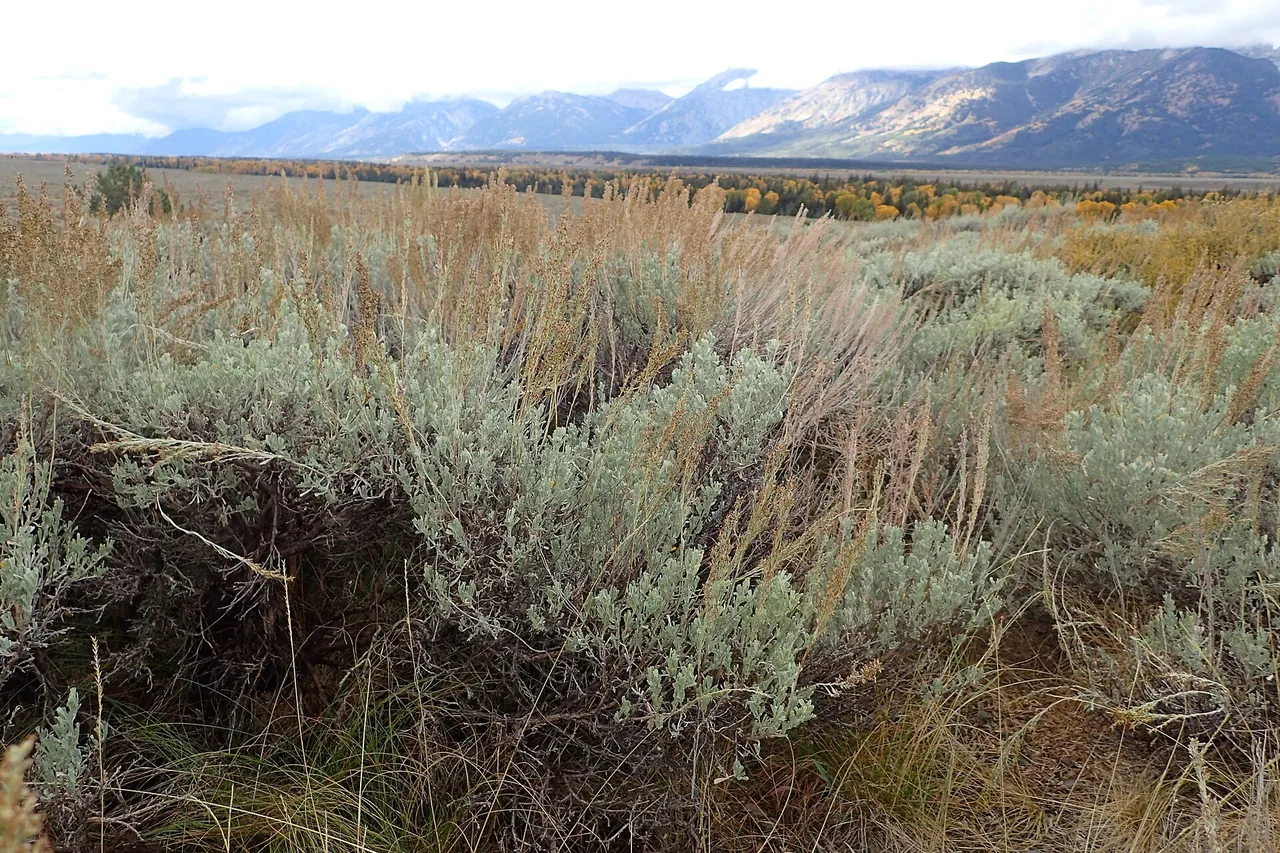
Big sagebrush stretching across open country toward distant mountains
File photo: big sagebrush stretching across open country toward distant mountains. Photo: Krzysztof Ziarnek, Kenraiz · CC BY-SA 4.0 · Wikimedia Commons
Shrubs

Big sagebrush

A foundational shrub of Utah's open country, with small gray-green leaves and an outsized role in wildlife habitat.
Artemisia tridentata

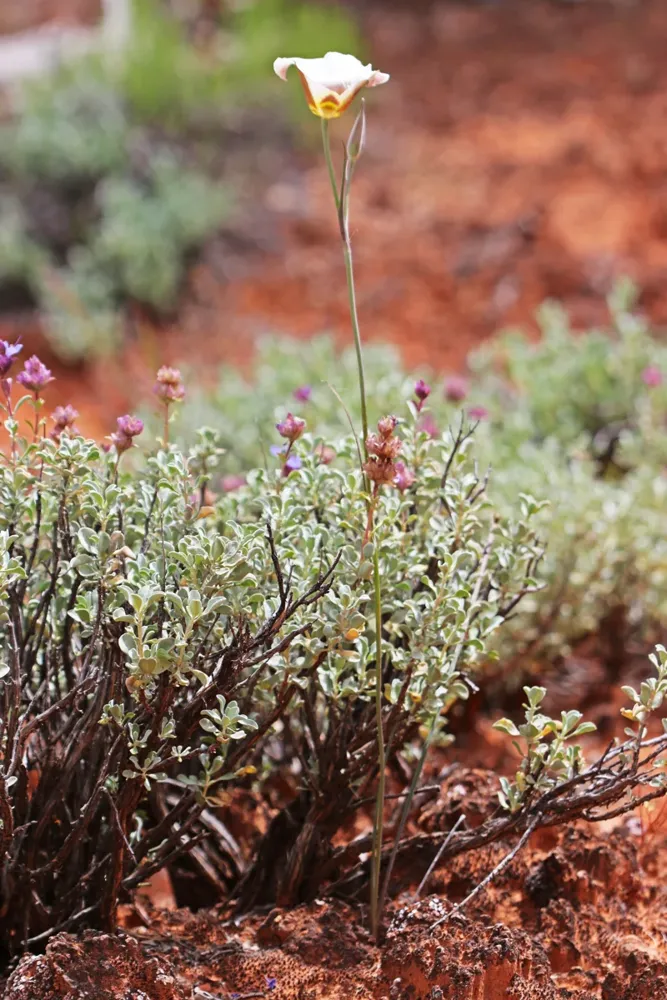
A sego lily flower on a slender stalk above low desert vegetation
File photo: A sego lily flower on a slender stalk above low desert vegetation — Johnson Lakes Canyon, Kane County, May 2016. Photo: Andrey Zharkikh from Salt Lake City, USA · CC BY 2.0 · Wikimedia Commons
Wildflowers

Sego lily

Utah's state flower briefly lifts a three-petaled cup above open, dry-country vegetation before its aboveground growth fades.

Calochortus nuttallii

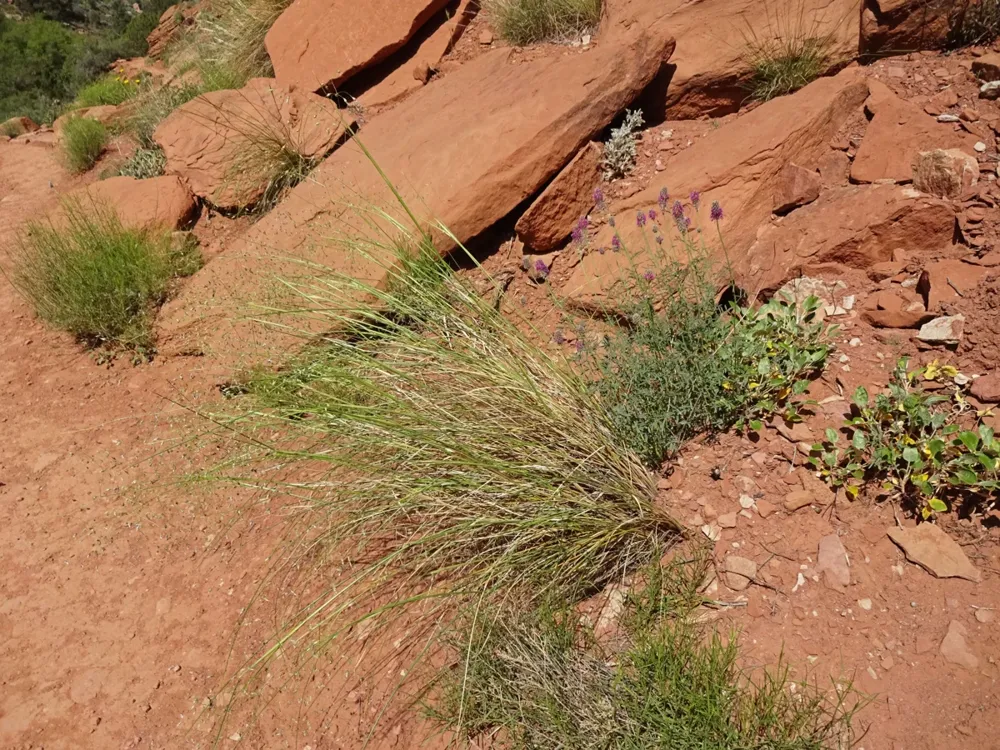
A tuft of Indian ricegrass with airy seed heads beside red sandstone
File photo: A tuft of Indian ricegrass with airy seed heads beside red sandstone — Watchman Trail, Zion National Park, April 2016. Photo: Andrey Zharkikh from Salt Lake City, USA · CC BY 2.0 · Wikimedia Commons
Grasses

Indian ricegrass

Utah's state grass is a cool-season perennial whose airy seedheads rise from distinct clumps on dry ground.

Achnatherum hymenoides

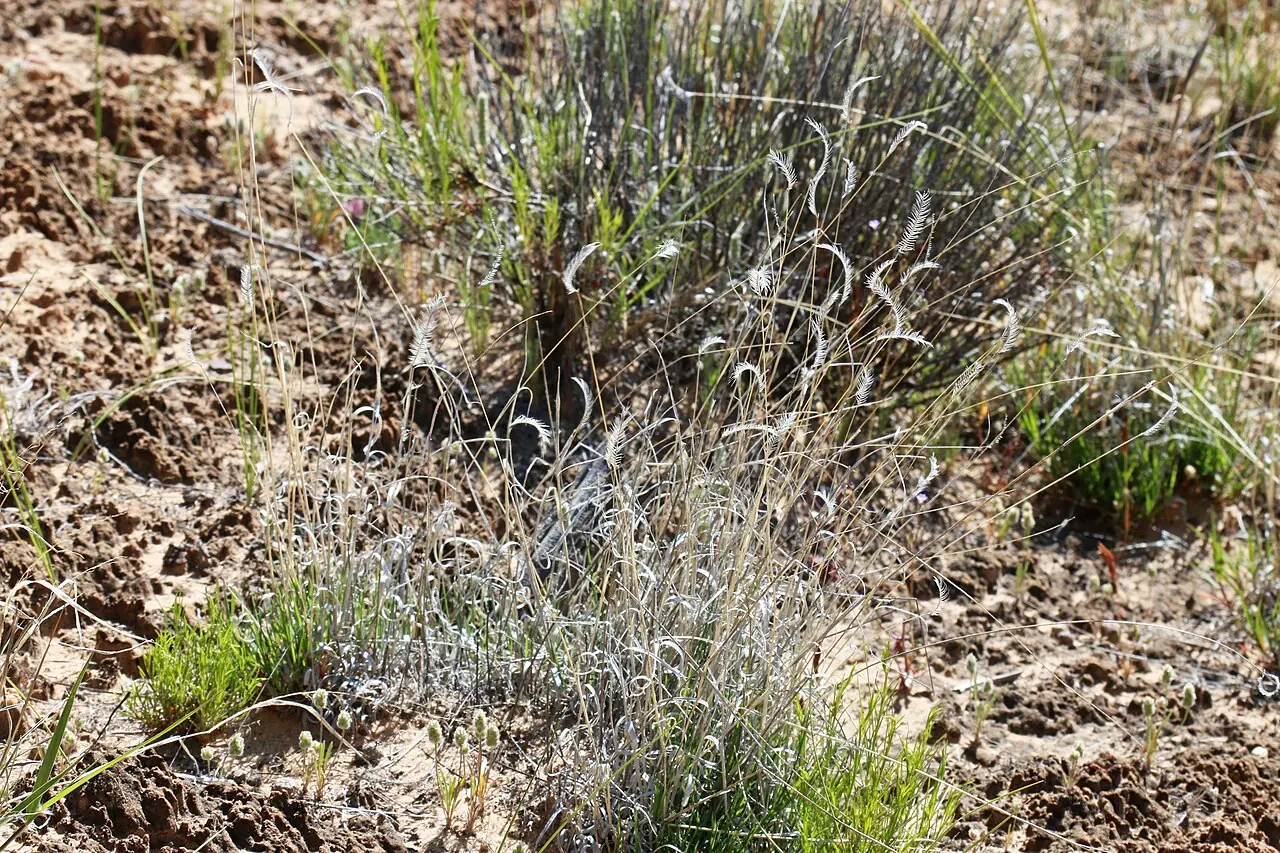
A clump of blue grama grass in Kane County, Utah
File photo: A clump of blue grama grass in Kane County, Utah (2016-05-27 10:06). Photo: Andrey Zharkikh from Salt Lake City, USA · CC BY 2.0 · Wikimedia Commons
Grasses

Blue grama

A low native grass with sideways, eyelash-like seedheads and a growing season tied to warmth and summer moisture.

Bouteloua gracilis

Saved on this device. Statewide news and alerts remain available.