Published by Paul Ivinskas
Sunday, October 25, 2026

Everything Utah, every day.

Help Utahns understand their communities and hold government accountable. Our mission →

Wildlife & plants · Grasses

Indian ricegrass

Utah's state grass is a cool-season perennial whose airy seedheads rise from distinct clumps on dry ground.

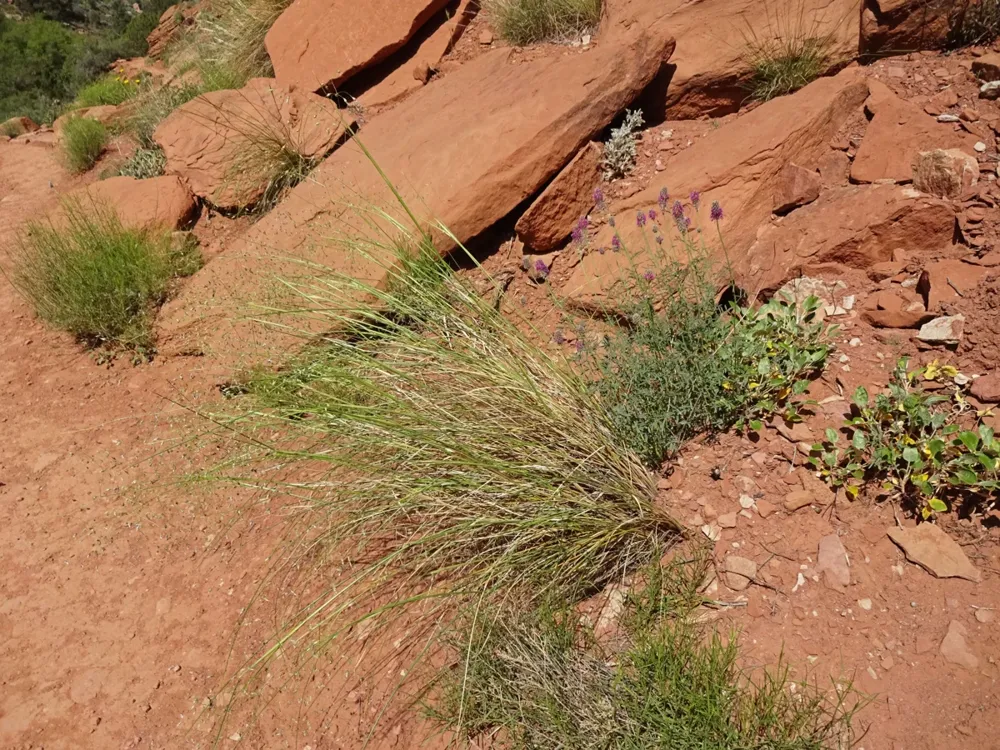
A tuft of Indian ricegrass with airy seed heads beside red sandstone
File photo: A tuft of Indian ricegrass with airy seed heads beside red sandstone — Watchman Trail, Zion National Park, April 2016 · Cropped to fit. Photo: Andrey Zharkikh from Salt Lake City, USA · CC BY 2.0 · Wikimedia Commons

Indian ricegrass is easiest to appreciate when its branching seedhead catches the light. Fine stalks spread into an open, airy panicle above a tuft of narrow, often rolled leaves. The seeds develop at the ends of those branches; after they fall, much of the delicate structure may remain. Unlike a continuous lawn, this perennial grows in separate bunches. The open spaces around a clump are part of a dryland plant community, not evidence that the landscape needs to be filled in or tidied.

Utah's state grass occupies a broad range of elevations and dry habitats. It is especially characteristic of sandy, gravelly, and shallow soils, although it occurs well beyond desert sand. Growth starts in the cool part of the year, and flowering usually follows in late spring while soil moisture is still available. Drought can send plants into dormancy. A tan summer clump is therefore not automatically dead, and local rainfall strongly influences how much new growth and seed a visitor sees.

The seeds provide food for birds, while the leaves and stems contribute forage for wildlife. Its value extends beyond the brief green season, making established bunches worth protecting. View the seedhead without shaking or stripping it. Stay on designated trails or durable surfaces between plants: those apparently empty interspaces may contain fragile soil communities, and creating shortcuts can damage more than the grass itself.

How to recognize it

Loose, widely branching seedhead; narrow basal leaves; separate perennial bunches.

Seeing it

Leave seedheads untouched and avoid trampling soil between bunches.

Places the sources name

Examples from the sources, not a complete range or a sighting guide.
Related profiles

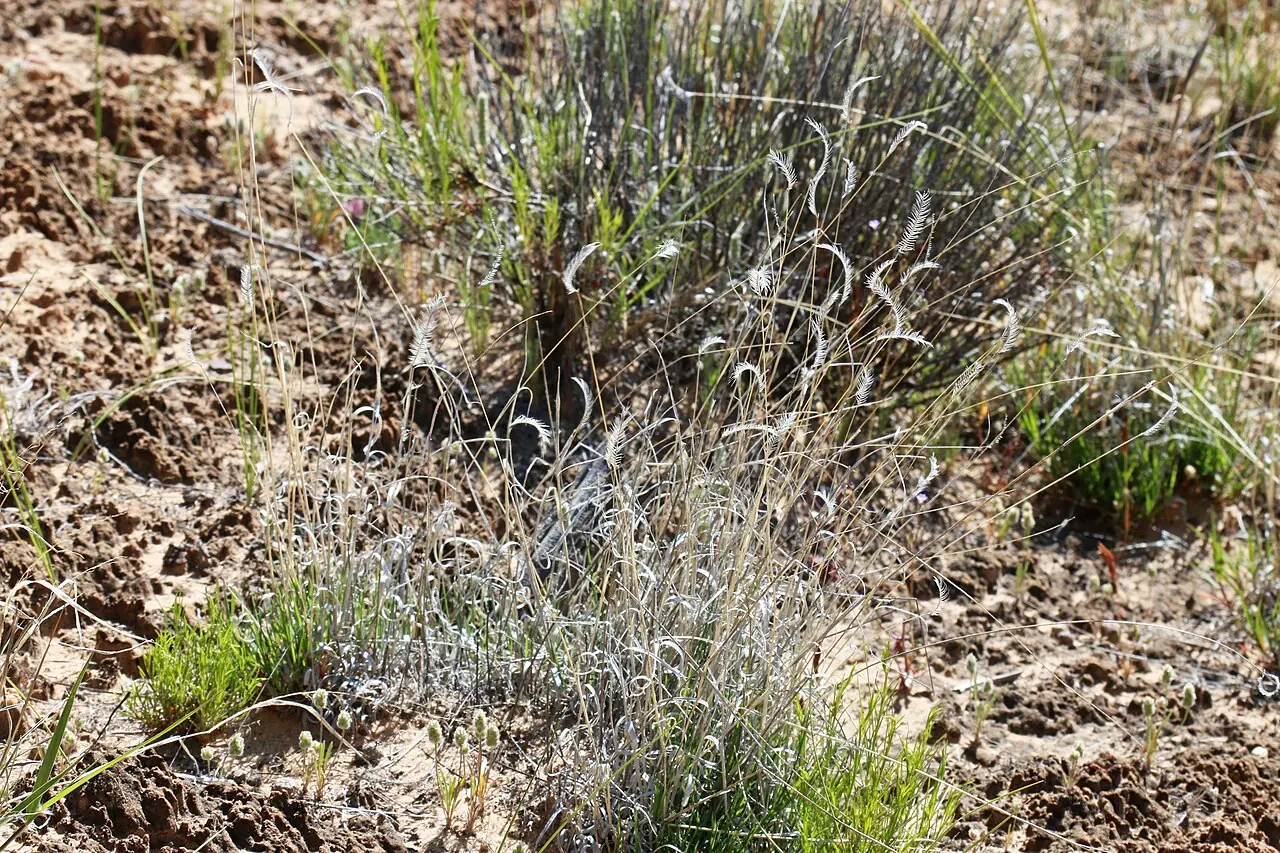
A clump of blue grama grass in Kane County, Utah
File photo: A clump of blue grama grass in Kane County, Utah (2016-05-27 10:06). Photo: Andrey Zharkikh from Salt Lake City, USA · CC BY 2.0 · Wikimedia Commons
Grasses

Blue grama

A low native grass with sideways, eyelash-like seedheads and a growing season tied to warmth and summer moisture.

Bouteloua gracilis

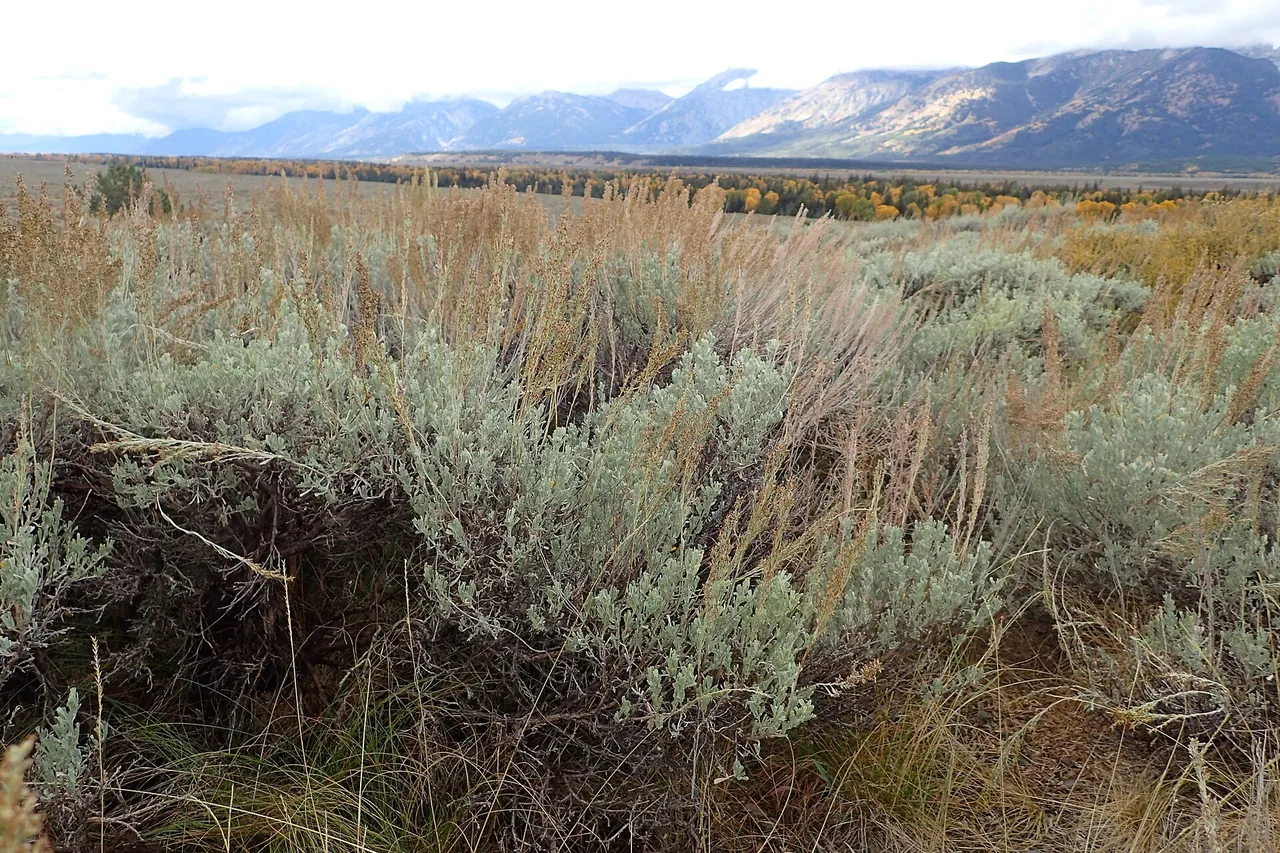
Big sagebrush stretching across open country toward distant mountains
File photo: big sagebrush stretching across open country toward distant mountains. Photo: Krzysztof Ziarnek, Kenraiz · CC BY-SA 4.0 · Wikimedia Commons
Shrubs

Big sagebrush

A foundational shrub of Utah's open country, with small gray-green leaves and an outsized role in wildlife habitat.

Artemisia tridentata

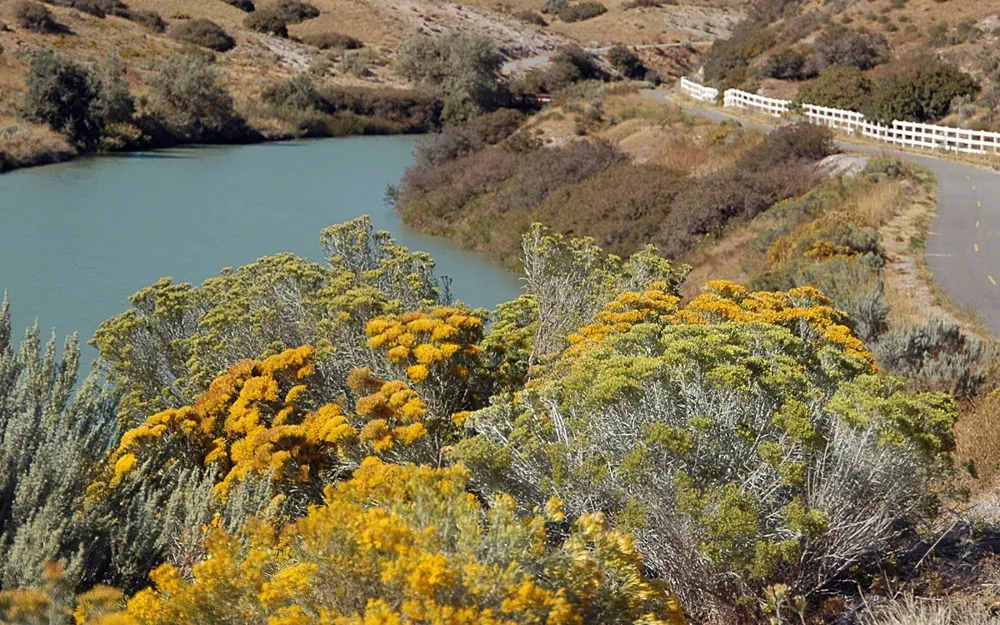
Yellow-flowering rubber rabbitbrush above the Jordan River
File photo: Yellow-flowering rubber rabbitbrush above the Jordan River — Jordan River Parkway near Salt Lake City, September 2004. Photo: Cory Maylett · CC BY-SA 4.0 · Wikimedia Commons
Shrubs

Rubber rabbitbrush

A flexible-stemmed native shrub whose late-season yellow flowers extend feeding opportunities for pollinators.

Ericameria nauseosa

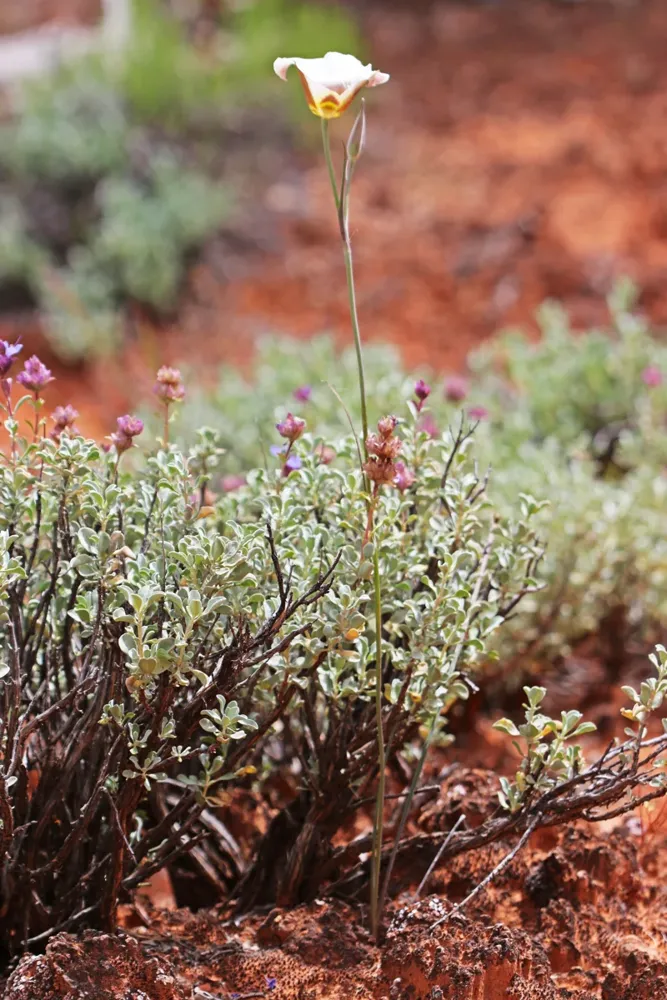
A sego lily flower on a slender stalk above low desert vegetation
File photo: A sego lily flower on a slender stalk above low desert vegetation — Johnson Lakes Canyon, Kane County, May 2016. Photo: Andrey Zharkikh from Salt Lake City, USA · CC BY 2.0 · Wikimedia Commons
Wildflowers

Sego lily

Utah's state flower briefly lifts a three-petaled cup above open, dry-country vegetation before its aboveground growth fades.

Calochortus nuttallii

Saved on this device. Statewide news and alerts remain available.