Quaking aspen
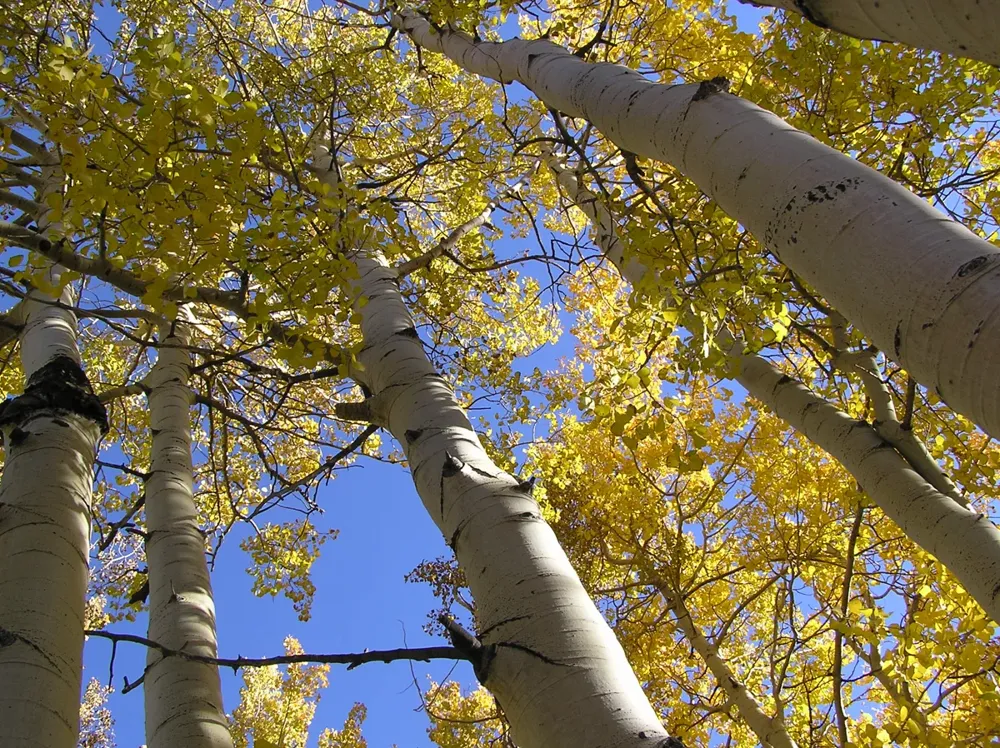
Utah's state tree forms bright mountain groves whose separate trunks can share an underground root system.
Everything Utah, every day.
Help Utahns understand their communities and hold government accountable. Our mission →
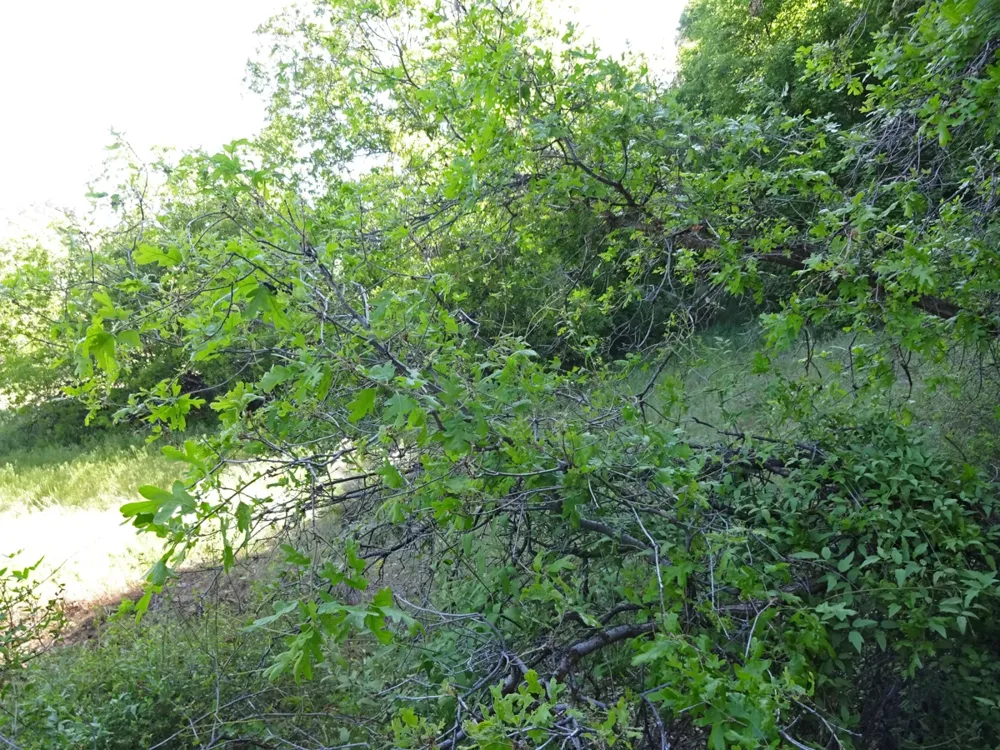
A thicket-forming native oak that links Utah's foothills with mountain woodlands and provides important wildlife food and cover.

Gambel oak often shapes the transition from an open valley to a wooded mountainside. In Utah it commonly forms branching shrubs and dense thickets, although favorable sites can support small trees. Its leaves have rounded lobes rather than the pointed, bristle-tipped lobes of some other oaks. The upper surface is darker than the paler, hairy underside. Fall color is often yellow-brown or brown, with considerable variation. Look at the leaf outline and the plant's woody growth together; a single brown leaf is a poor identification basis.
An oak thicket has a substantial underground life. Gambel oak reproduces from acorns but also spreads through vegetative growth, and established root systems can produce vigorous sprouts after aboveground stems are lost. Fire therefore need not erase the oak community, although its effects depend on severity and conditions. The ability to resprout also helps explain why a patch may contain many slender trunks instead of one large tree. Acorn crops vary with growing conditions, and not every oak produces an obvious crop every year.
Birds and rodents move acorns away from parent plants; some uneaten caches become new oaks. This makes a foothill thicket both shelter and a source of food. In Utah, flowering is generally in late spring, while northern Utah acorns ripen toward early autumn. Observe from the trail without breaking branches to inspect leaves or collecting the acorns wildlife uses.
Rounded leaf lobes (the source counts seven to nine lobes, not pairs), often a shrubby or thicket-forming habit, and acorns when present.
Keep to established routes and leave acorns and branches in place.

Utah's state tree forms bright mountain groves whose separate trunks can share an underground root system.

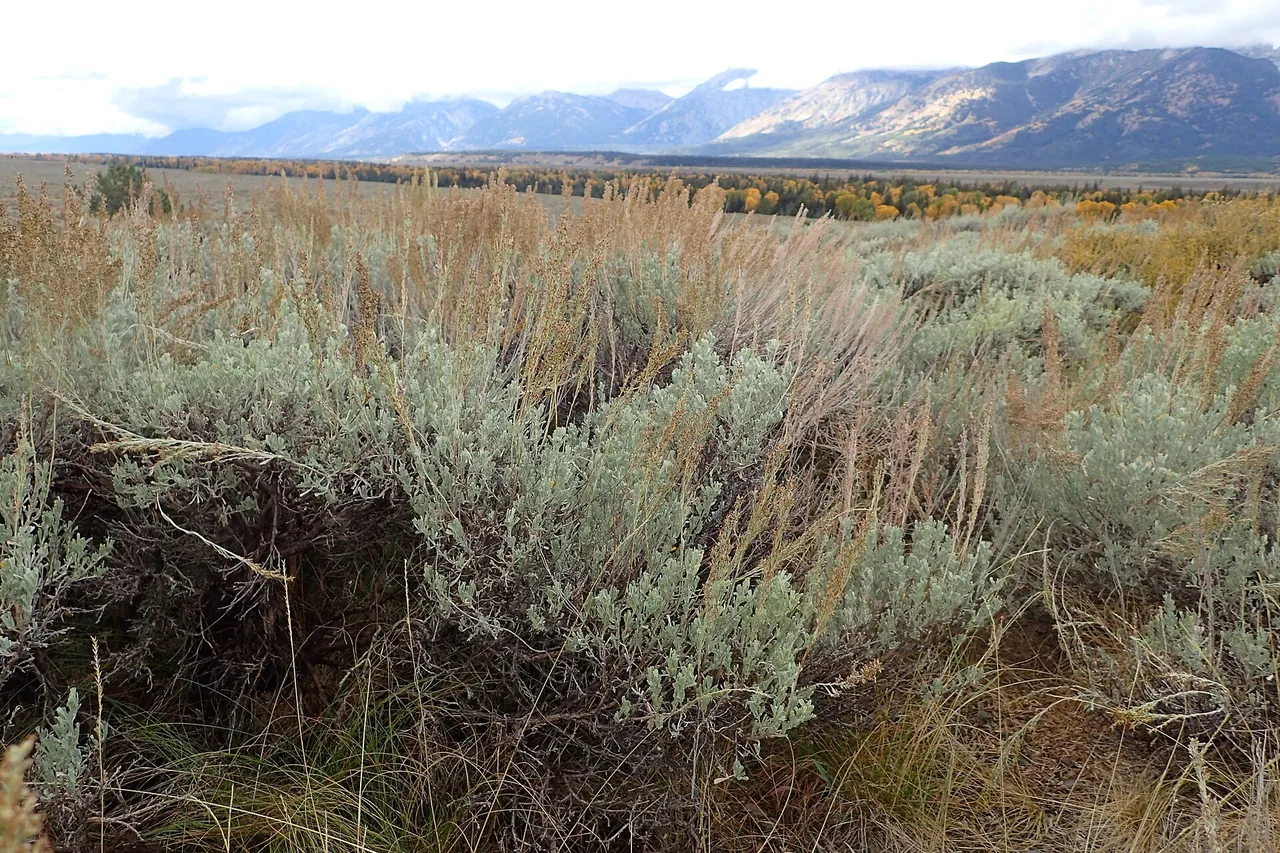
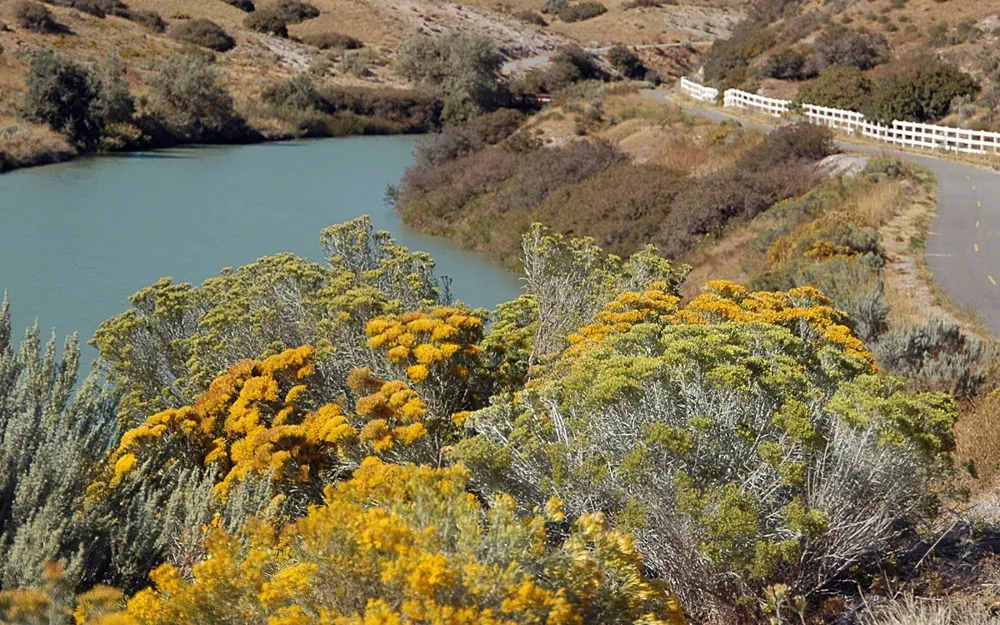
A foundational shrub of Utah's open country, with small gray-green leaves and an outsized role in wildlife habitat.

A flexible-stemmed native shrub whose late-season yellow flowers extend feeding opportunities for pollinators.