Published by Paul Ivinskas
Sunday, October 25, 2026

Everything Utah, every day.

Help Utahns understand their communities and hold government accountable. Our mission →

Wildlife & plants · Reptiles

Snakes

A diverse group of native predators best appreciated without handling or close-range identification attempts.

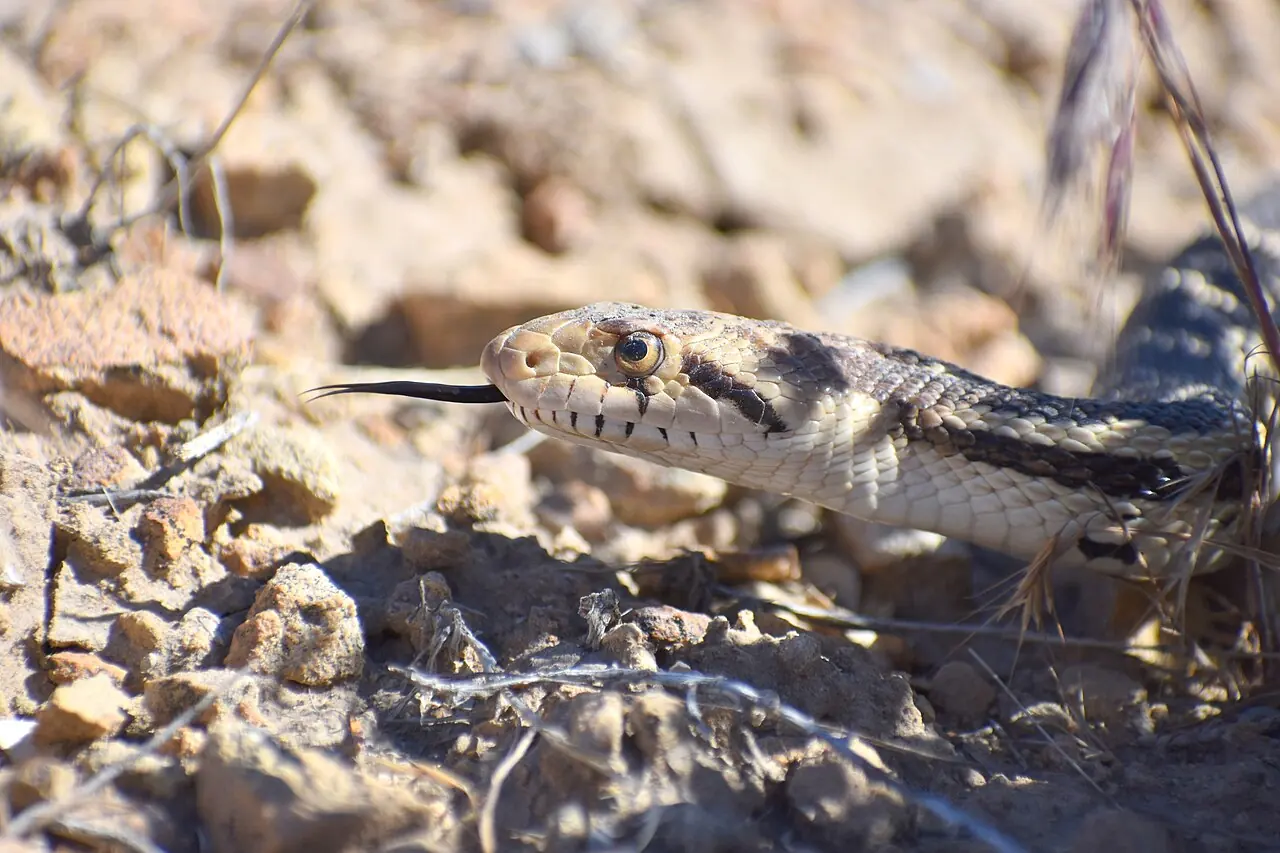
Close-up of a gopher snake on rocky ground
File photo: Gopher snake, Arches National Park archive, May 2017. One of Utah’s nonvenomous snake species · Cropped to fit. Photo: Marty Tow / National Park Service · Public domain · Wikimedia Commons

Utah's snakes cannot be reduced to a single desert pattern or a rattling tail. The state includes nonvenomous snakes and venomous rattlesnakes, with different habitats and habits. A gopher snake, for example, can hiss, flatten its head and vibrate its tail when threatened. That defensive display is one reason head shape alone is a poor shortcut for a casual observer. If identification is uncertain, keep your distance and treat the animal as potentially venomous rather than moving closer to inspect it.

Snakes use outside heat to regulate body temperature, so their activity changes with weather, season and available shade. A warm rock, a cool crevice and an underground refuge serve different purposes over a day or year. In Utah, rattlesnakes may be active at any hour, even though dawn and dusk are often busy periods. DWR highlights rocky benches, slopes and dry canyons, but warns that lower and more open country can also hold snakes.

These predators belong to the food web: they consume other animals and are themselves prey for birds and mammals. Quiet observation lets a snake continue moving, hunting or sheltering. A rattlesnake need not rattle before it is noticed, and some have damaged or missing rattles. Staying on a visible route, checking handholds and giving an animal an unobstructed way to leave are more useful than trying to provoke a warning display.

How to recognize it

Don't rely on a triangular head, a missing rattle or a distant look at color to decide a snake is safe to handle.

Conservation

Rules on collecting vary by snake species. Check Utah DWR's current tables; nothing here is permission to collect.

Watching and staying safe

Do not touch, corner, throw objects at or attempt to move a snake. Keep pets close. A suspected venomous bite is a medical emergency requiring immediate hospital care.
Related profiles

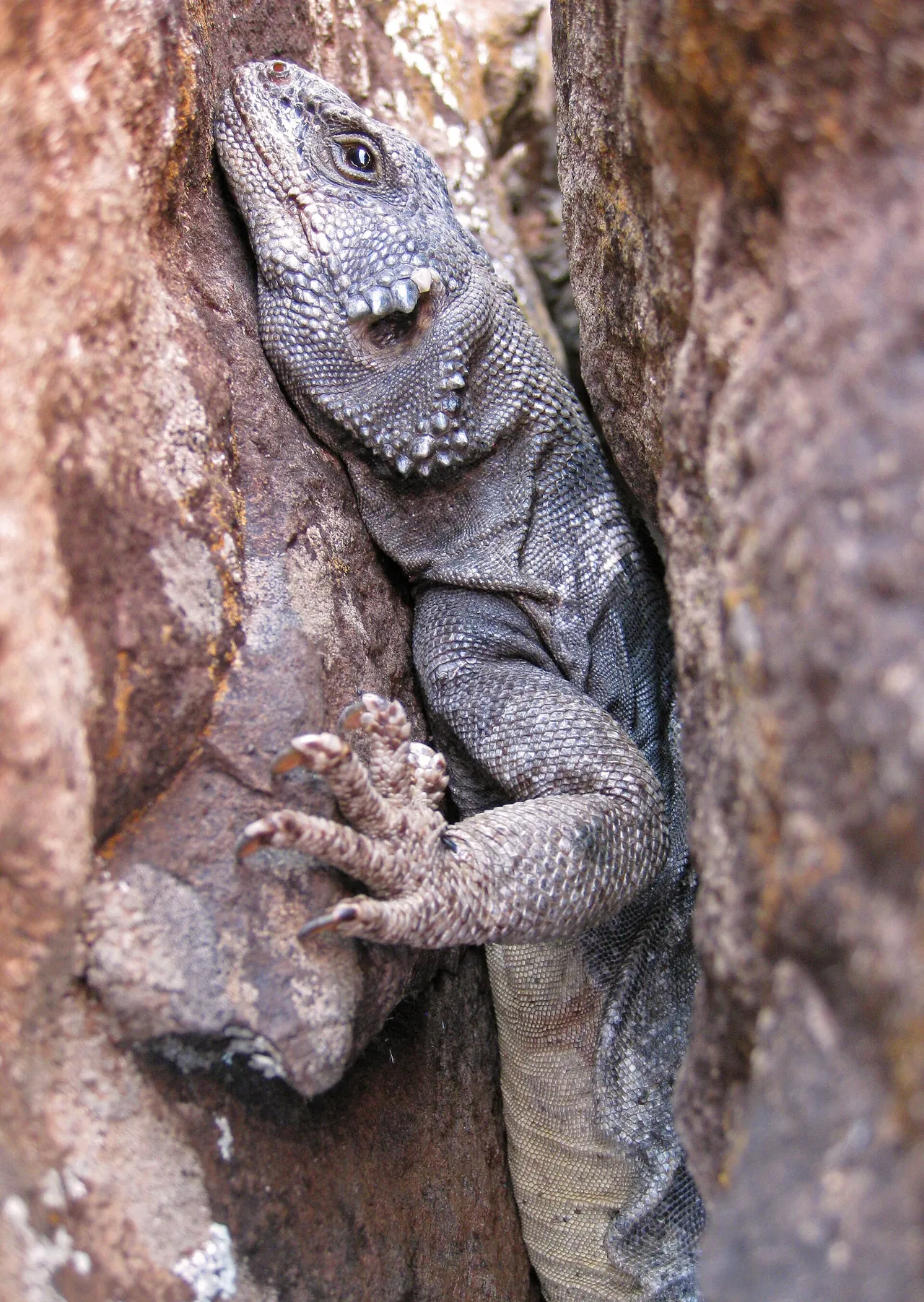
A chuckwalla wedged into a red rock crevice at Zion National Park
File photo: a chuckwalla wedged into a red rock crevice at Zion National Park. Photo: Zion National Park · CC BY 2.0 · Wikimedia Commons
Reptiles

Common chuckwalla

A heavy-bodied, mostly plant-eating lizard that uses rocky crevices as both refuge and defense.

Sauromalus ater

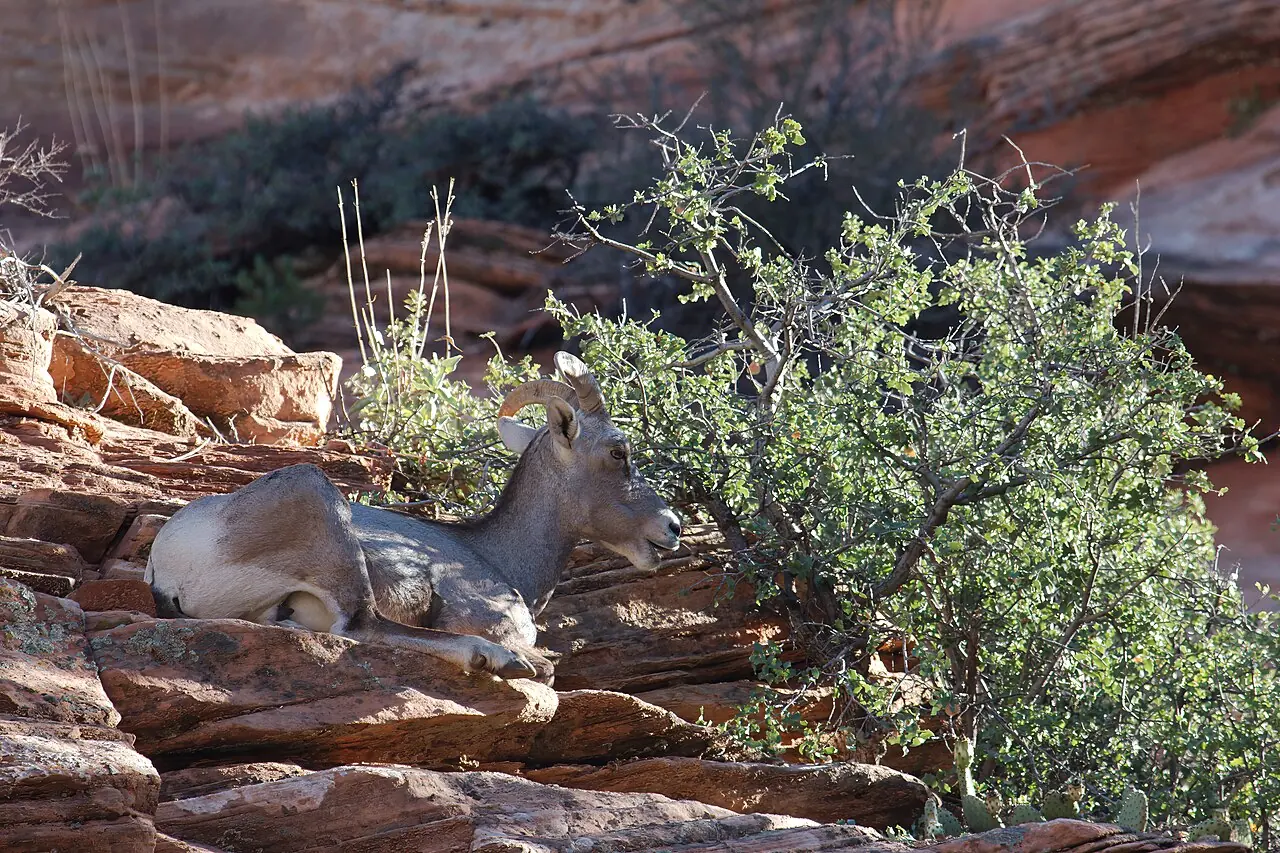
Desert bighorn sheep resting beside sandstone in Zion National Park
File photo: Desert bighorn sheep resting beside sandstone in Zion National Park (2014-09-22 10:34:38). Photo: ImagePerson · CC0 · Wikimedia Commons
Mammals

Desert bighorn sheep

Sure-footed sheep of the slickrock, restored to Zion after disappearing there.

Ovis canadensis nelsoni

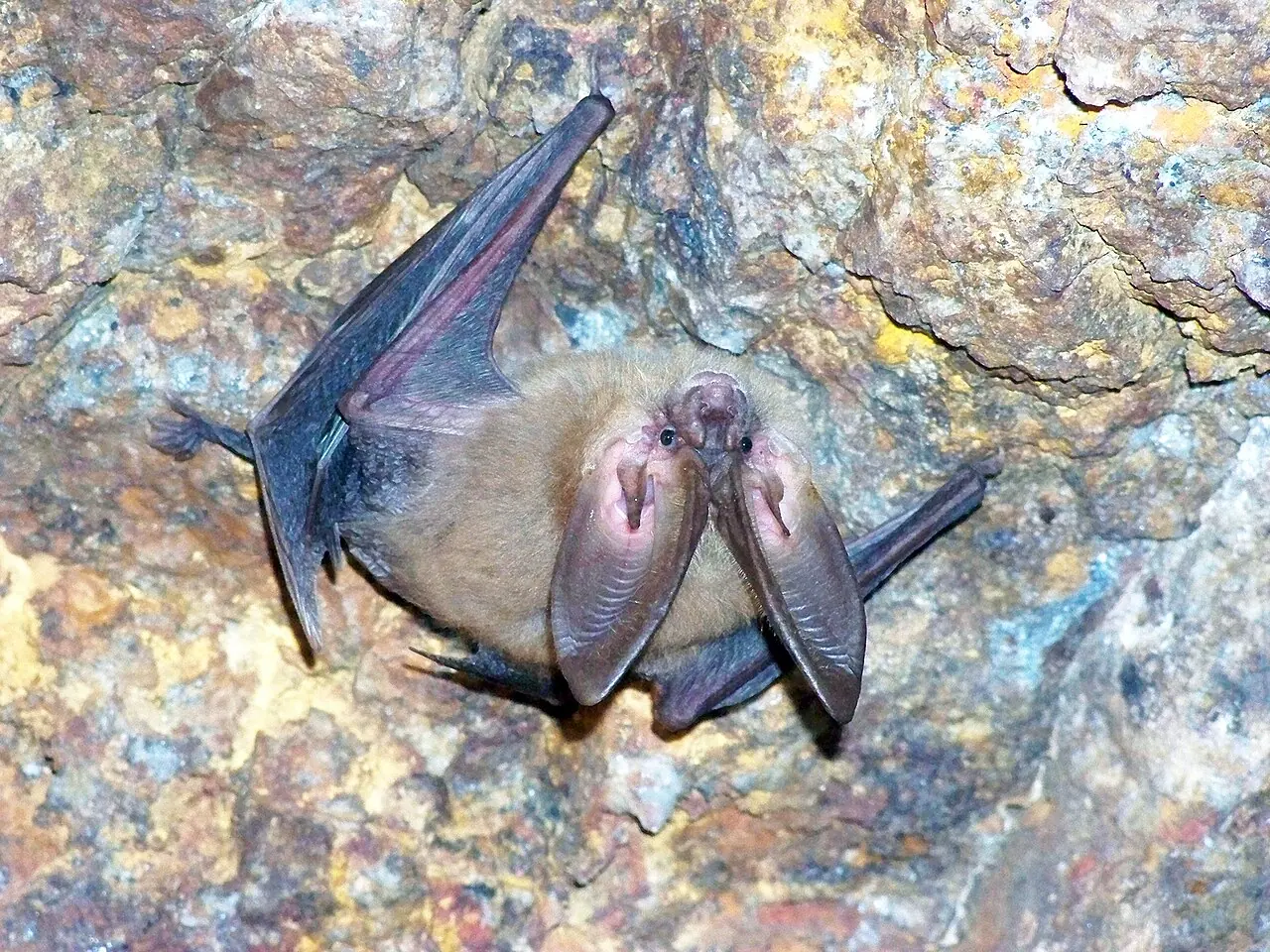
A Townsend’s big-eared bat hanging from rock
File photo: Townsend’s big-eared bat in Utah, BLM archive. One of the bat species found in the state. Photo: John Larson / BLM Utah · Public domain · Wikimedia Commons
Mammals

Bats

Insect-eating flying mammals whose lives depend on suitable roosts, water and a safe seasonal cycle.

Saved on this device. Statewide news and alerts remain available.