Published by Paul Ivinskas
Sunday, October 25, 2026

Everything Utah, every day.

Help Utahns understand their communities and hold government accountable. Our mission →

Wildlife & plants · Mammals

Utah prairie dog

A Utah endemic whose short-grass colonies support a much larger community of grassland wildlife.

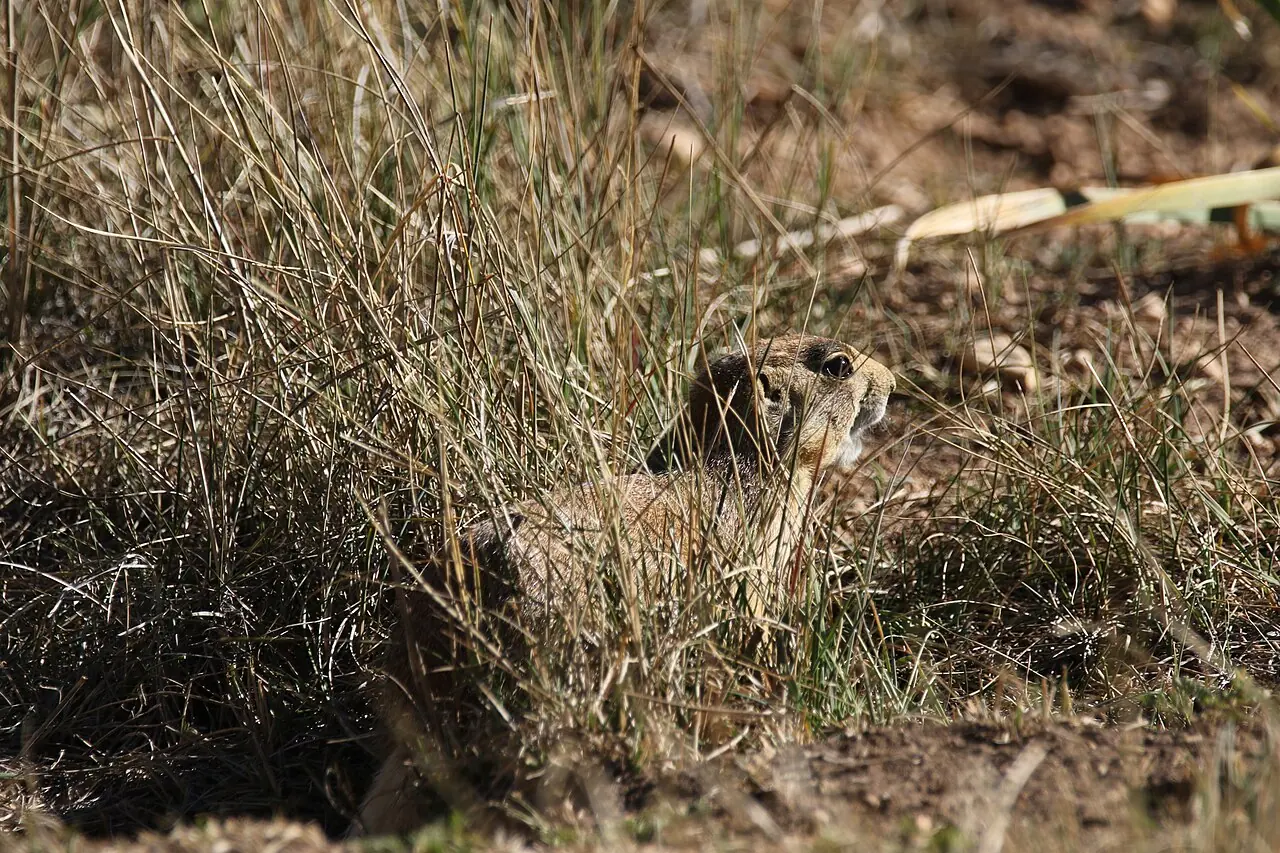
A Utah prairie dog among grasses at Bryce Canyon
File photo: A Utah prairie dog among grasses at Bryce Canyon (2016-09-19 01:05) · Cropped to fit. Photo: Donald Hobern from Copenhagen, Denmark · CC BY 2.0 · Wikimedia Commons

The Utah prairie dog is a squirrel-family rodent, not a small dog. Its clay-to-cinnamon coat, dark mark above each eye and white-tipped tail are useful clues, but coat color alone does not reliably separate prairie dog species. Utah also has other prairie dogs, so the name should not be applied automatically to every colony in the state. This species' natural range is confined to southwestern Utah, where it occupies short-grass meadows and similar open habitat.

A colony is an active neighborhood of family territories, burrow entrances, feeding areas and watchful animals. Standing upright gives a prairie dog a better view over the vegetation, while warning calls alert others to danger. Burrows provide shelter, although predators can sometimes enter them. Digging changes the soil, and the animals themselves feed badgers, coyotes, raptors and other predators. These links help explain why protecting a colony matters beyond the number of prairie dogs visible above ground.

On Bryce Canyon's high plateau, prairie dogs generally retreat underground in autumn and emerge around spring; weather and elevation influence the schedule. The species suffered severe historical losses from eradication and disease, and park restoration is part of its conservation story. As of October 2026, Utah's state list records it as federally threatened. A recovered colony or a busy summer meadow does not mean the species has been delisted or that approaching the animals is harmless.

How to recognize it

Dark mark above the eye, clay/cinnamon coat and white-tipped tail; confirm species with geographic context.

Conservation

Threatened under the federal Endangered Species Act and a species of greatest conservation need in Utah.

Watching and staying safe

Use designated public viewing areas, do not feed or approach burrows, and keep pets away. Fleas associated with prairie dogs can carry disease.

Places the sources name

Examples from the sources, not a complete range or a sighting guide.
Related profiles

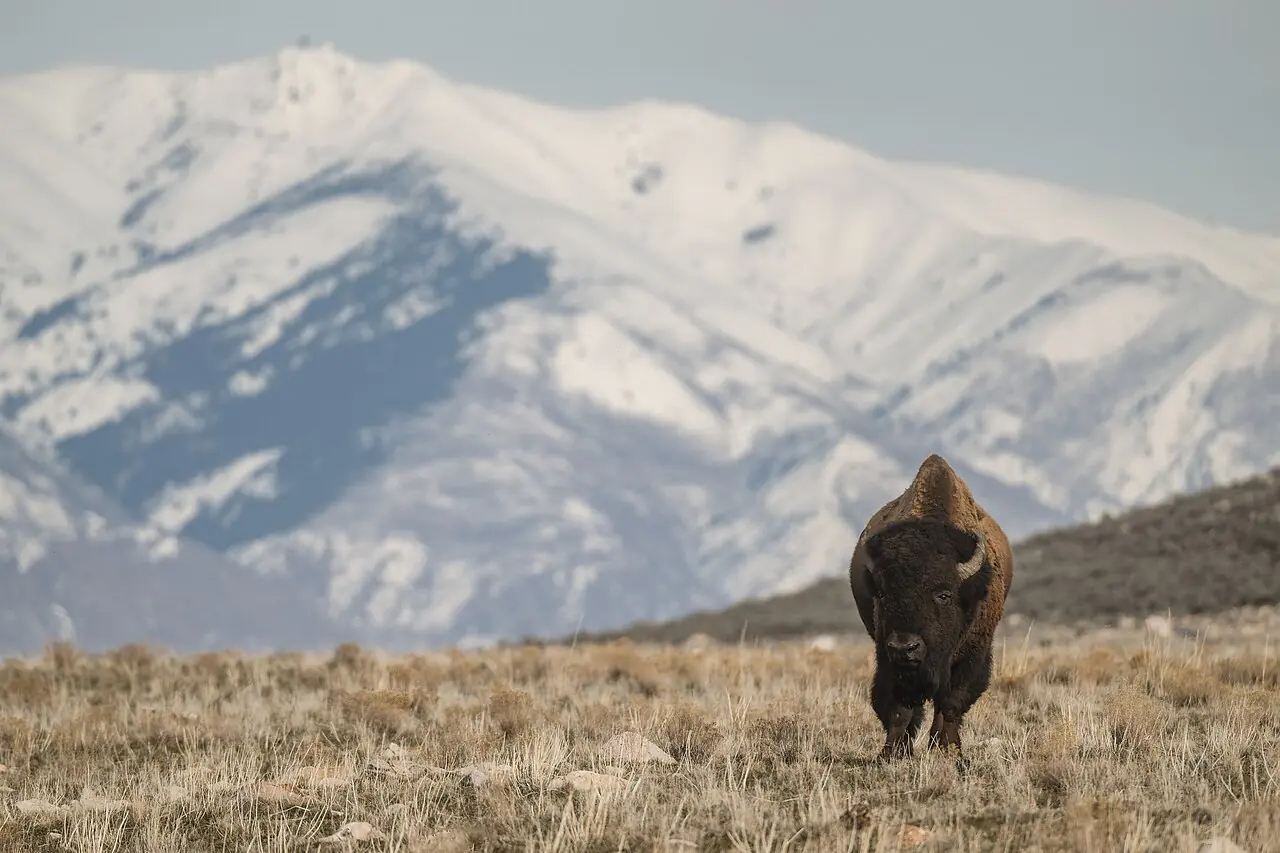
A bison on Antelope Island with snowy Wasatch Mountains behind it
File photo: A bison on Antelope Island with snowy Wasatch Mountains behind it (Taken on 18 March 2023, 19:26:38). Photo: Eric Kilby · CC BY-SA 2.0 · Wikimedia Commons
Mammals

American bison

North America's largest land animal, with wild herds on Antelope Island, in the Henry Mountains and in the Book Cliffs.

Bison bison

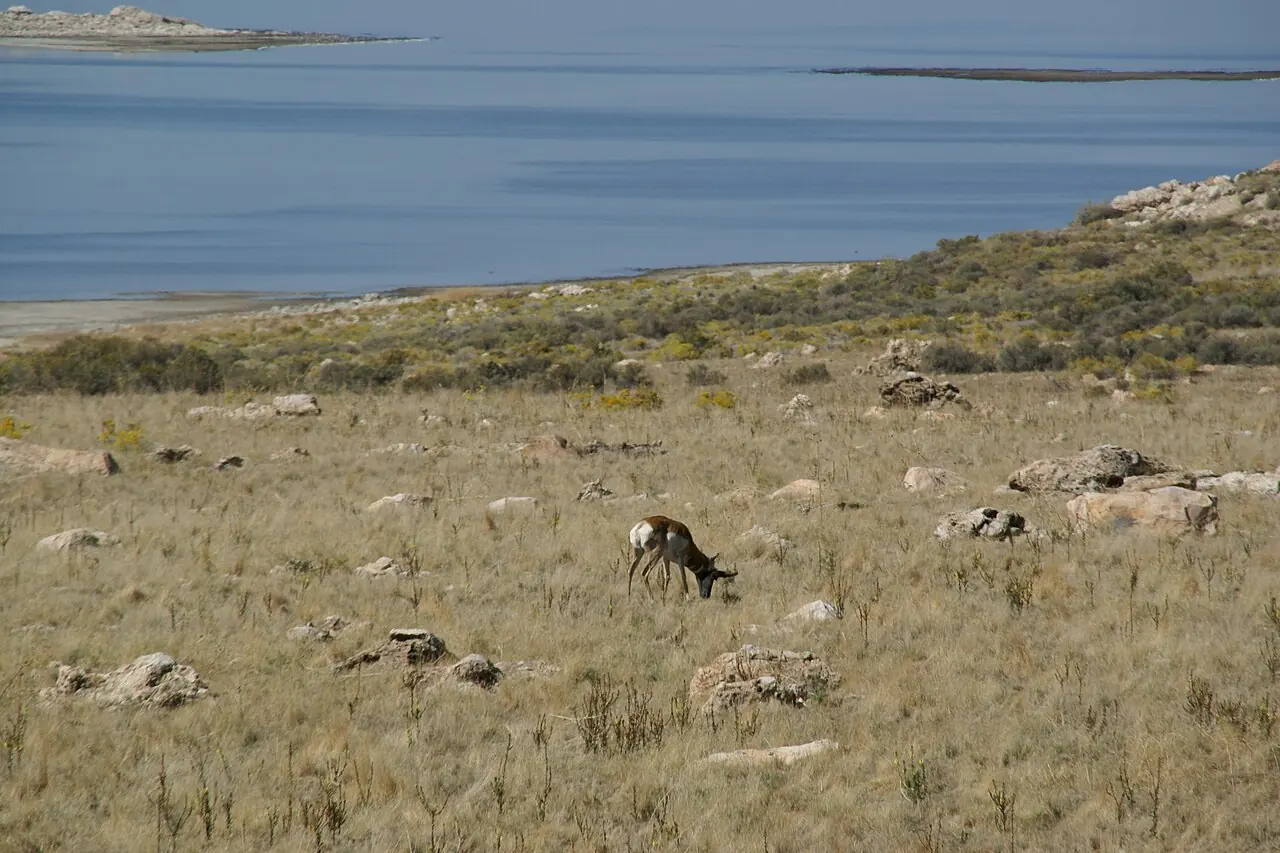
Pronghorn grazing on Antelope Island above Great Salt Lake
File photo: Pronghorn grazing on Antelope Island above Great Salt Lake (2012-10-01 11:29:47). Photo: Hermann Luyken · CC0 · Wikimedia Commons
Mammals

Pronghorn

An open-country specialist with a white rump, unusual shedding horn sheaths and a need for connected habitat.

Antilocapra americana

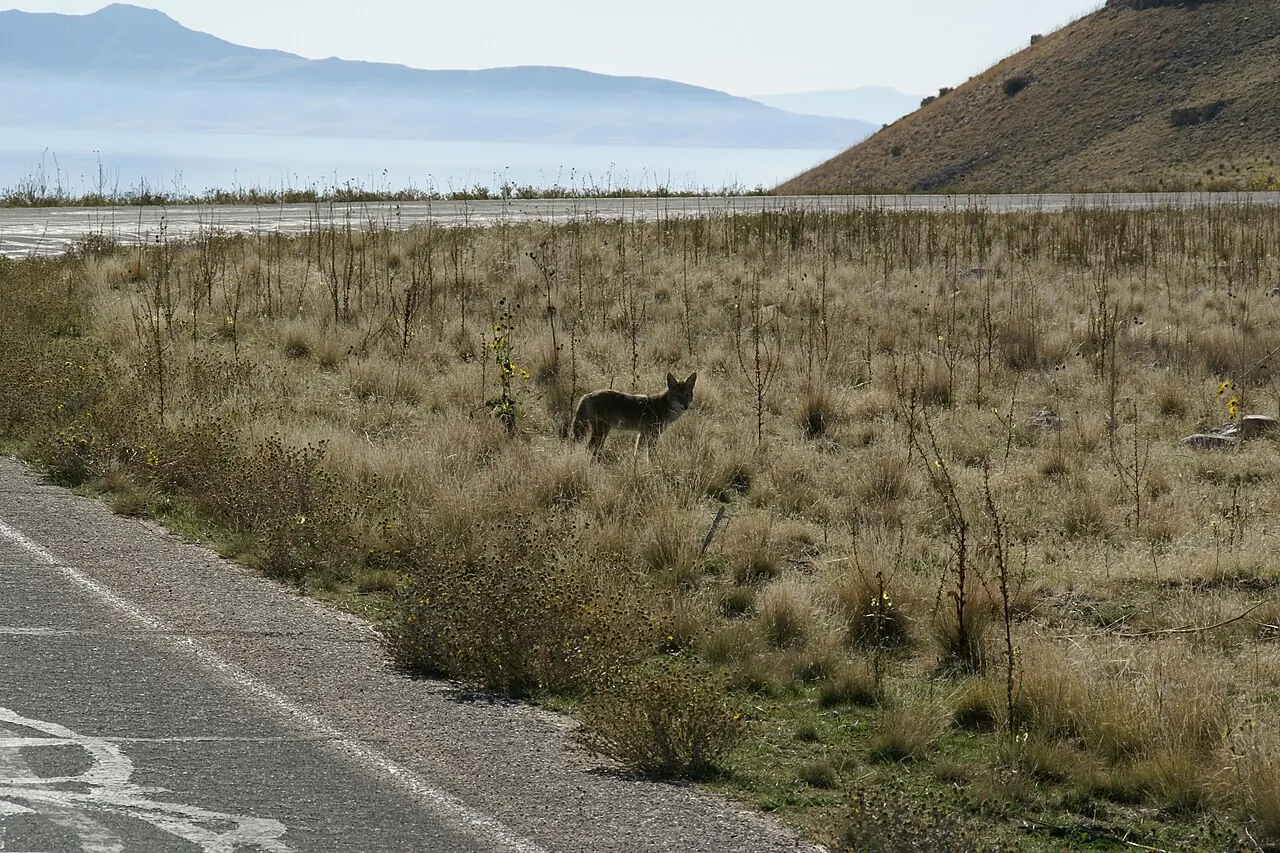
A coyote beside a road on Antelope Island
File photo: A coyote beside a road on Antelope Island (2012-10-01 15:05:31). Photo: Hermann Luyken · CC0 · Wikimedia Commons
Mammals

Coyote

Common across Utah, including in cities, and an opportunist that will eat almost anything.

Saved on this device. Statewide news and alerts remain available.